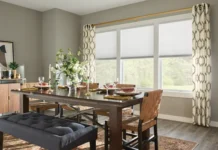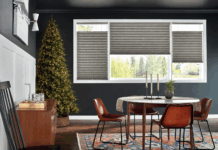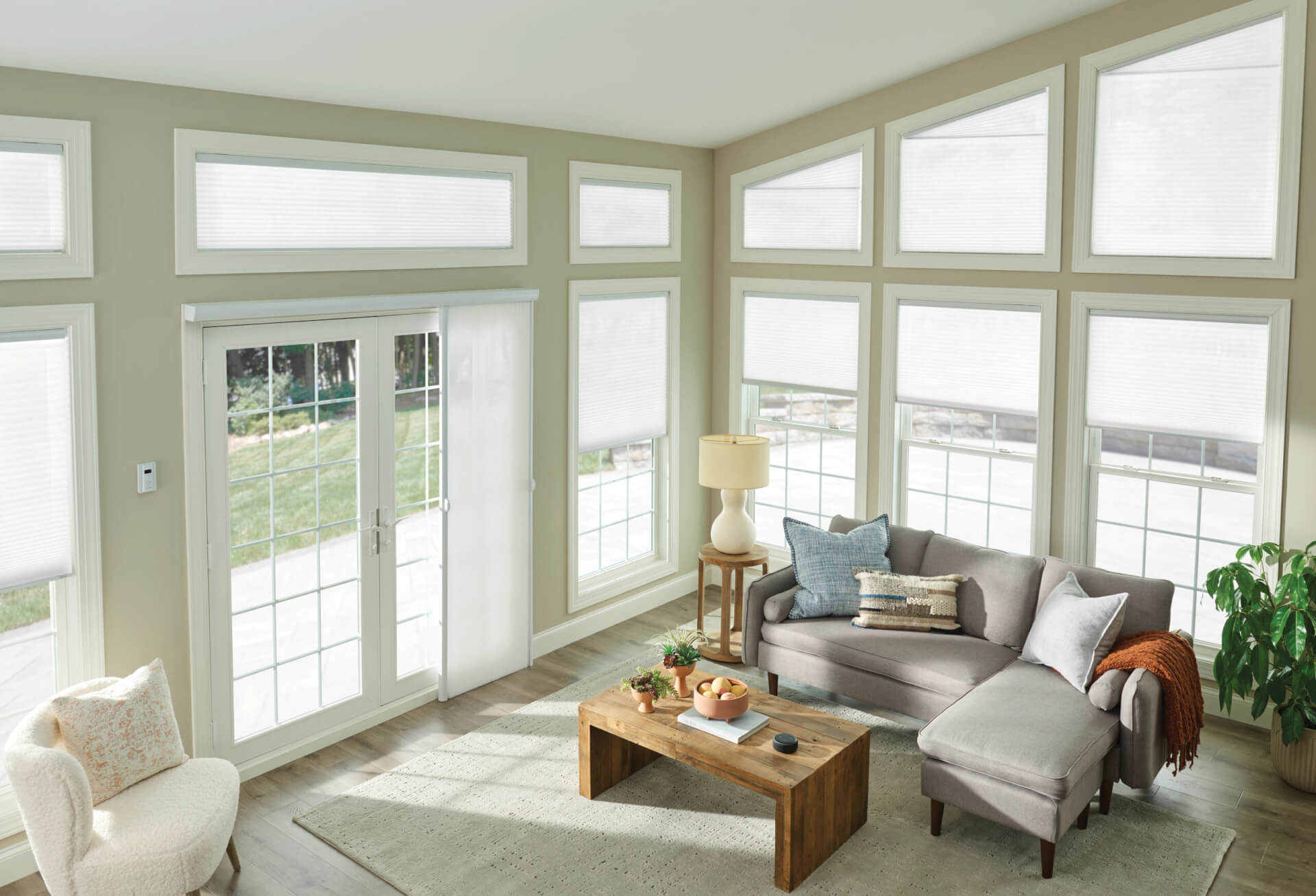
If you live in Alabama, you already know the pattern. The day starts pleasant, then the sun swings around and one room becomes the place everyone avoids. It might be a bonus room over the garage, a west-facing living room or a sunny kitchen that feels great at breakfast and uncomfortable by late afternoon.
The good news is that “one hot room” is usually not a mystery. It is typically a combination of sun exposure, glass, airflow and finishes. With a simple walkthrough, you can pinpoint what is driving the discomfort and identify the most effective next step.
Start with the 10-Minute Heat Test
You do not need tools. Just take a quick lap through your home on a warm, sunny day.
Step 1: Check the clock.
Do this twice if you can: once around 11 a.m. and again around 3 to 5 p.m. Afternoon tells the truth in Alabama.
Step 2: Stand where you actually sit.
Not at the window, but on the sofa, at the desk, at the kitchen island. Notice:
- Is the room warmer, or does it just feel harsh and bright?
- Are you squinting, shifting seats or closing your eyes to glare?
- Does the air feel still, even if the thermostat is set low?
Step 3: Look at where the sun lands.
Direct sun on floors, rugs and upholstery is a strong clue. So is sunlight blasting the TV, the dining table or a favorite reading chair.
Step 4: Touch-test the surfaces.
If a room feels hot, lightly touch the floor near the windows and the wall below them. When surfaces heat up, the room often feels warmer even if the air temperature is similar.
Why One Room Runs Hotter
Here are the most common causes.
1) West and south exposures take the hardest hit.
South-facing windows can bring beautiful light all day. West-facing windows are famous for the late-day “blast” that turns a comfortable room into an oven. Large panes amplify the effect. That is not a flaw in the home. It is simply physics.
2) Glass can be efficient and still feel uncomfortable.
Modern windows help, but comfort is not just about insulation values. Solar heat gain, glare and radiant heat all affect how a room feels. You can have a well-built window and still need better light control for a particular exposure.
3) Layout and airflow matter more than most people expect.
Vaulted ceilings, open-concept rooms and upstairs spaces often heat differently because air does not circulate evenly. Bonus rooms over garages can be especially tricky since the space below may not be conditioned like the rest of the house.
4) The room may be “bright” in a way that feels fatiguing.
Sometimes the complaint is not temperature. It is visual discomfort. Glare on screens, washed-out colors and sharp contrast can make a room feel stressful, even if the AC is working fine.
What Helps, Based on What You Notice
Once you identify what is happening, the right solution becomes clearer.
If the room is bright and harsh, but you still want daylight:
Look for light-filtering solutions that soften glare without dimming the room. The goal is to keep the space feeling open while reducing the intensity that causes squinting and hot spots.
If the room heats up quickly in late afternoon:
Consider solar-control options designed to reduce heat at the window. In Alabama, managing the sun before it turns into stored heat in floors and furniture can make a noticeable difference.
If privacy is part of the problem, especially in street-facing rooms:
Prioritize a treatment that offers daytime privacy without closing the room in. Many homeowners default to heavier options than they need. A brighter approach often looks more polished and feels more livable.
If the room feels uneven throughout the day:
Consistency helps. Motorized shades can be scheduled to respond to peak sun hours. This is less about “smart home” showmanship and more about making comfort automatic, especially in rooms you use daily.
If the adjacent rooms also feel warmer:
Think beyond the problem room. Heat and glare often travel through open doorways and connected spaces. A targeted solution at the most exposed windows can improve comfort in multiple areas.
A Quick Rule of Thumb
If you can answer these three questions, you are already ahead:
- Which direction do the hottest windows face?
- What time of day is the room at its worst?
- Is the issue heat, glare, privacy, or a mix?
From there, the most useful next step is choosing a solution that matches the way you live. A media room needs different light control than a breakfast nook. A primary bedroom has different priorities than a home office. Comfort is specific.
Sponsored by VanGogh Window Fashions. If you’d like an expert opinion, a consultation can help pinpoint the exact windows driving heat and glare, and map solutions that keep your home bright, comfortable and easy to enjoy. Visit our website at www.vangoghwindowfashions.com to learn more.