We have become remarkably good at finding ways to fit more into our homes.
There are drawer dividers for the drawers, bins for the shelves and clever organizers designed to capture nearly every available inch. Closets stretch to the ceiling. Pantries are carefully packed. Cabinets are expected to earn their keep.
But perhaps we have been asking the wrong question.
Instead of asking, “How much can we fit in here?” what if we asked, “How much space do we need to leave?”
Because one of the most overlooked luxuries in a home is empty space.
The Luxury of Breathing Room
Think about a beautifully designed boutique. Clothing is not packed shoulder to shoulder. Shelves are not filled to their edges. There is room around the objects, allowing you to see and appreciate them.
Now think about your closet on a Monday morning.
When clothing is compressed tightly together, simply finding a blouse becomes more difficult. Shoes disappear behind other shoes. A new purchase requires rearranging an entire section before the hanger ever goes up.
The same thing happens throughout the home.
A pantry filled to capacity may technically hold a great deal, but bringing home groceries becomes an exercise in negotiation. A linen closet stacked to the edge makes putting away freshly washed towels surprisingly complicated. A kitchen cabinet can contain every serving piece you own while making the one you need nearly impossible to retrieve.
Full does not always mean functional.
A little breathing room changes the experience.
When Full Stops Being Functional
Empty space allows you to see what you have. It makes belongings easier to retrieve and, equally important, easier to put away. It gives the home flexibility when life inevitably brings something new through the door.
That becomes particularly noticeable this time of year.
Over the next few months, our homes will be asked to absorb more. Groceries arrive for entertaining. Coats come through the door. Gifts need temporary hiding places. Holiday décor emerges from storage. Overnight guests arrive with luggage.
A home operating at 100% capacity has nowhere for any of it to go.
And suddenly, the dining room table becomes a staging area, the guest room becomes overflow storage and countertops begin collecting the things that no longer have an obvious home.
Making Room for the Season Ahead
This is why thoughtful organization is not about maximizing every inch.
It is about creating the right amount of space for the way you live.
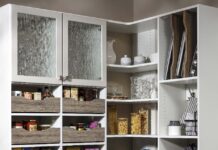
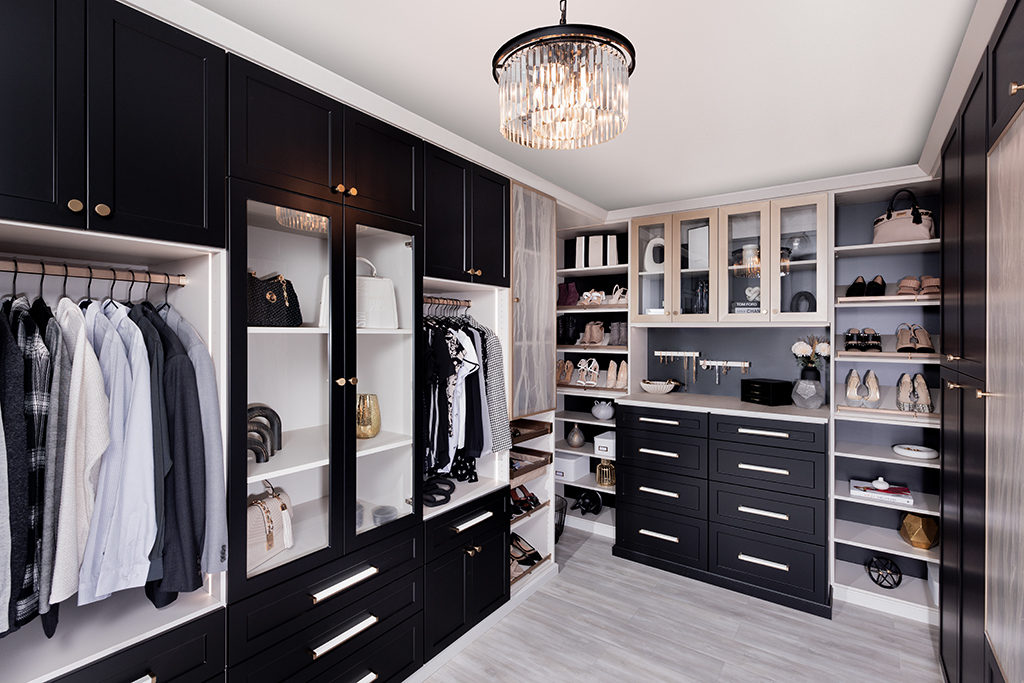
Sometimes that means editing what you own. Other times, it means reconsidering the storage itself. A closet may have plenty of square footage but the wrong combination of hanging space, drawers and shelving. A pantry may need better visibility rather than more containers. An underused wall or awkward corner may hold the opportunity to give an entire room more breathing room.
Custom design allows us to think beyond how much a space can hold and consider how comfortably it can hold it.
There should be room to move a hanger without wrestling its neighbors. Room to bring home groceries without reorganizing the pantry first. Room for the next season of life without immediately outgrowing the system.
In a culture that often encourages us to maximize, optimize and fill, leaving something intentionally empty can feel almost extravagant.
Designing for the Way You Live
Perhaps that is exactly why it feels so good.
The most beautifully organized homes are not necessarily the ones with the most storage. They are the ones where everything has enough room to belong.
Including a little room for what comes next.
Sponsored by Space Cadets
Space Cadets creates custom closets and storage spaces designed around the way you live, combining thoughtful organization with beautiful, personalized design. Discover what is possible when your home has room to breathe.