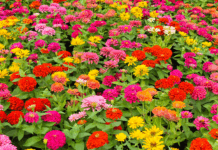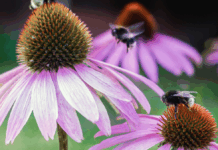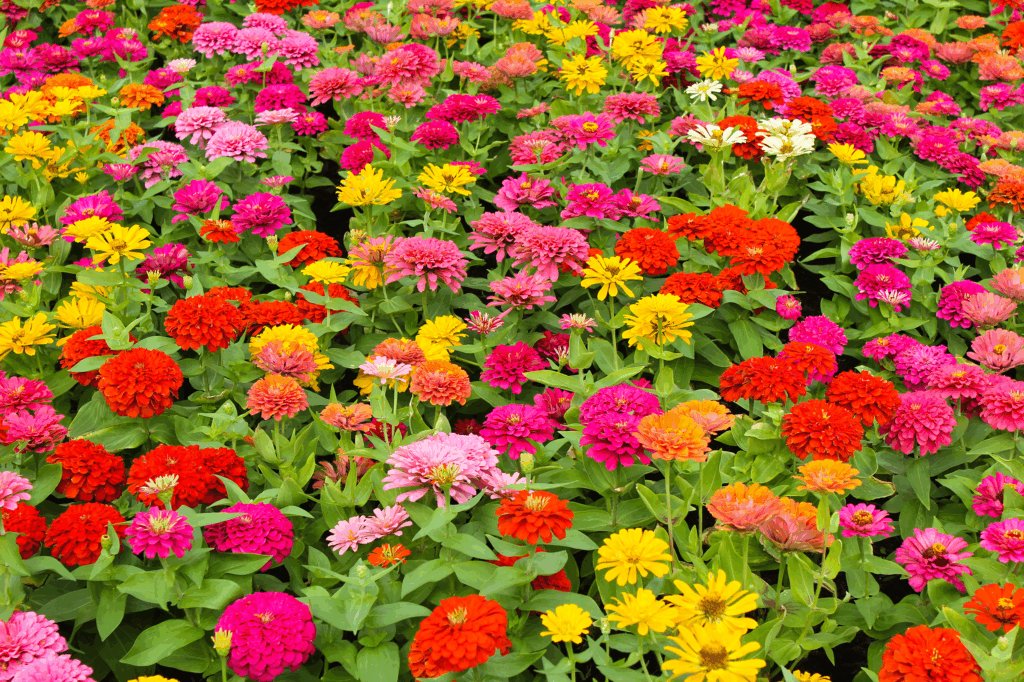
Zinnias are natural pollinator magnets. Bees crowd their golden centers while swallowtail butterflies drift lazily between blooms. A simple row along a vegetable garden can suddenly turn an ordinary backyard into a lively summer habitat.
Zinnias for Beginners
No matter your experience level, there is a zinnia suited to your garden. The varieties below represent the best of what the genus has to offer — from tried-and-true heirlooms to modern hybrids bred for the demands of a Southern summer.
Benary’s Giant
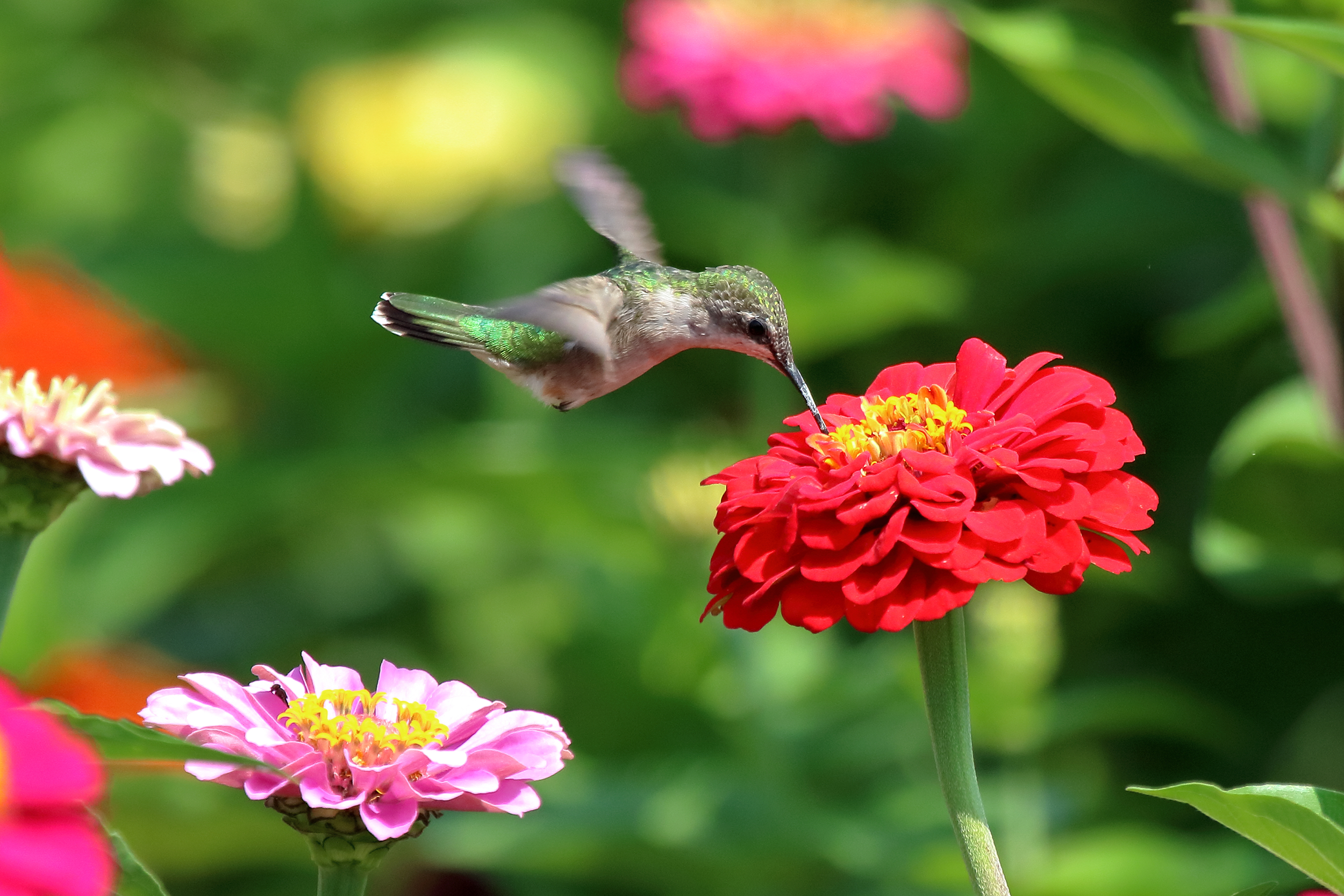
Large, fully double blooms on strong, extra-long stems.
Oklahoma Series
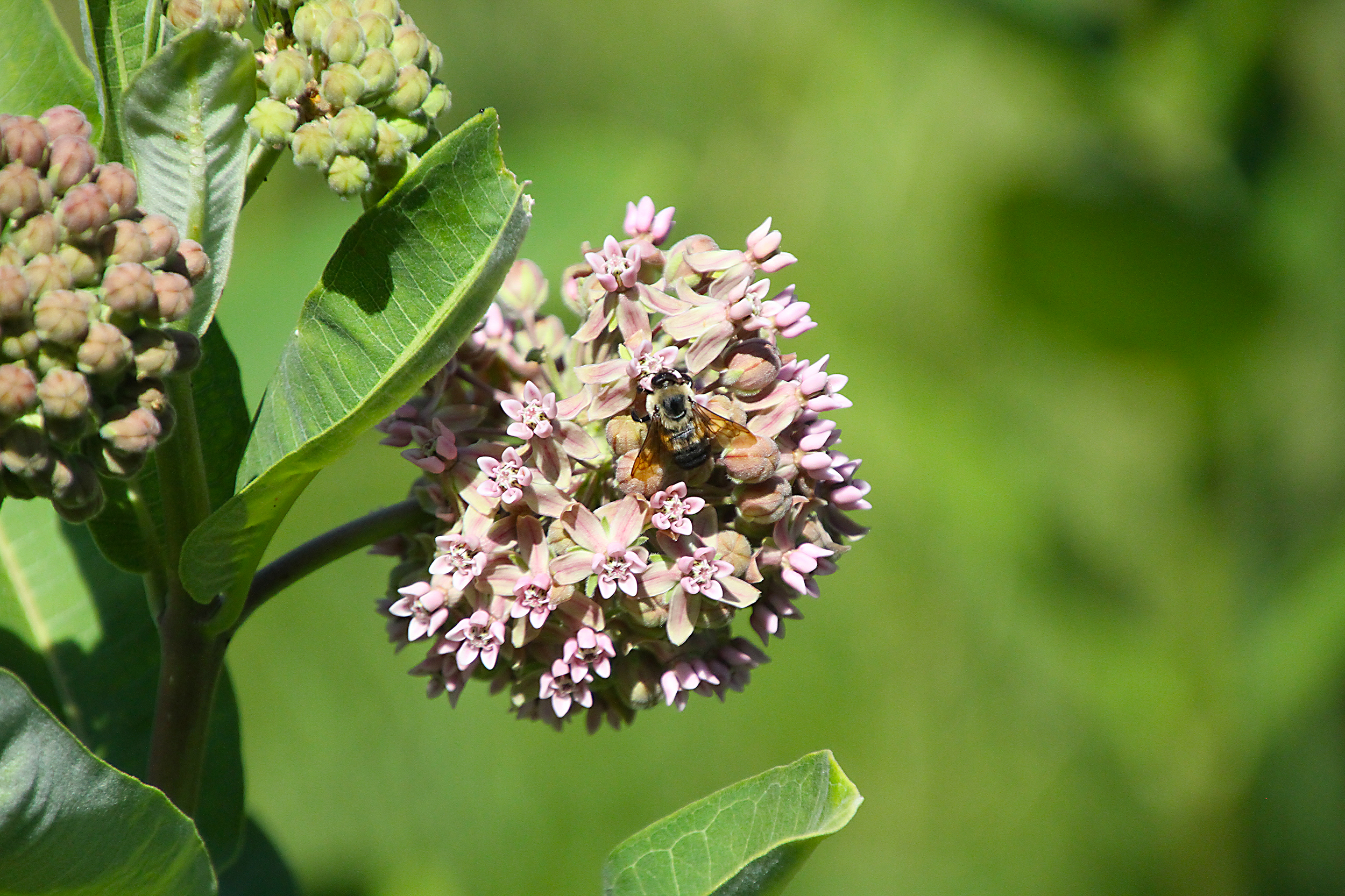
Long-lasting, medium-sized, double powder-puff-style blooms.
State Fair Mix
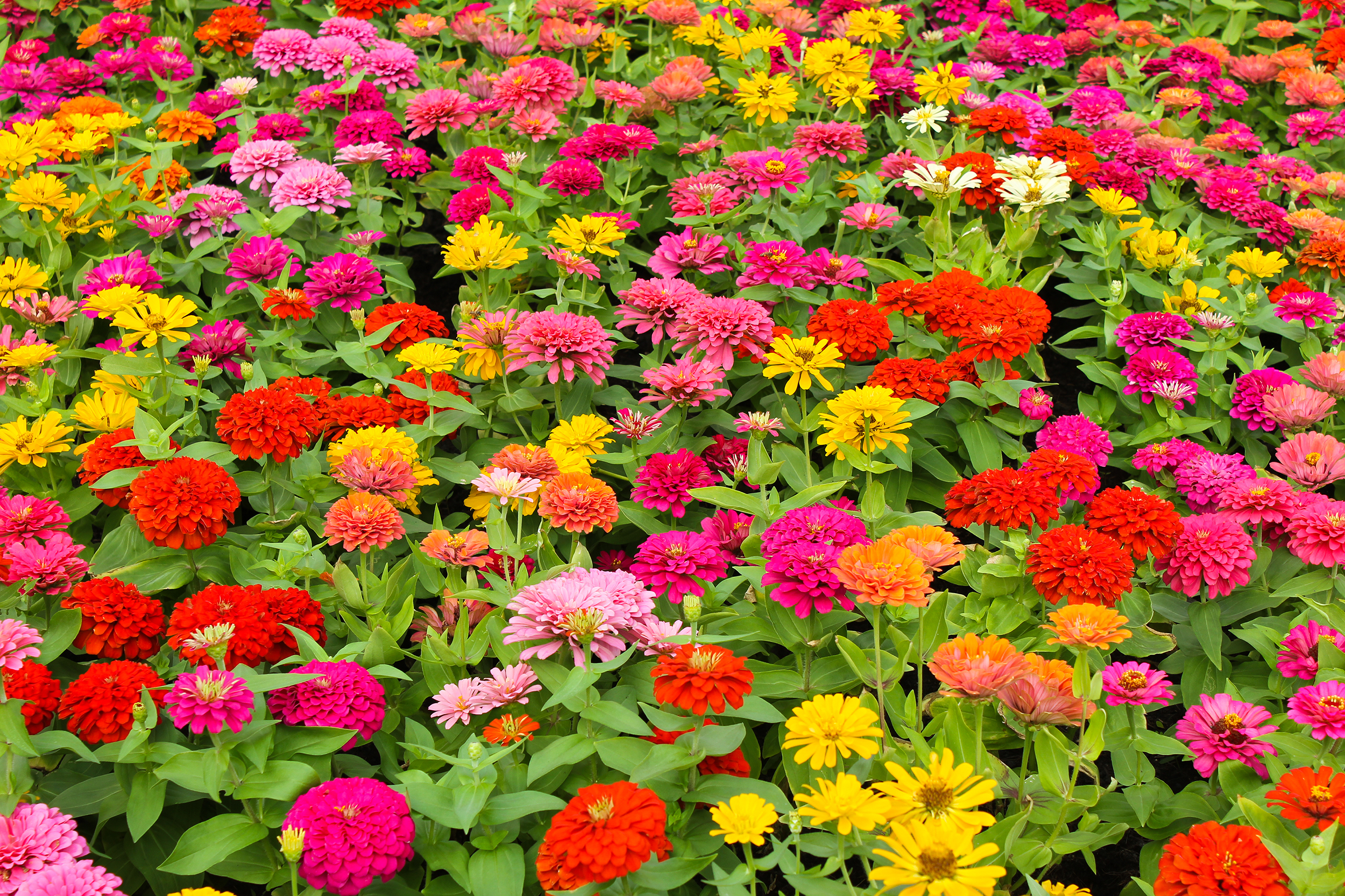
Heirloom plants with large, dahlia-sized blooms.
Cut-and-Come-Again
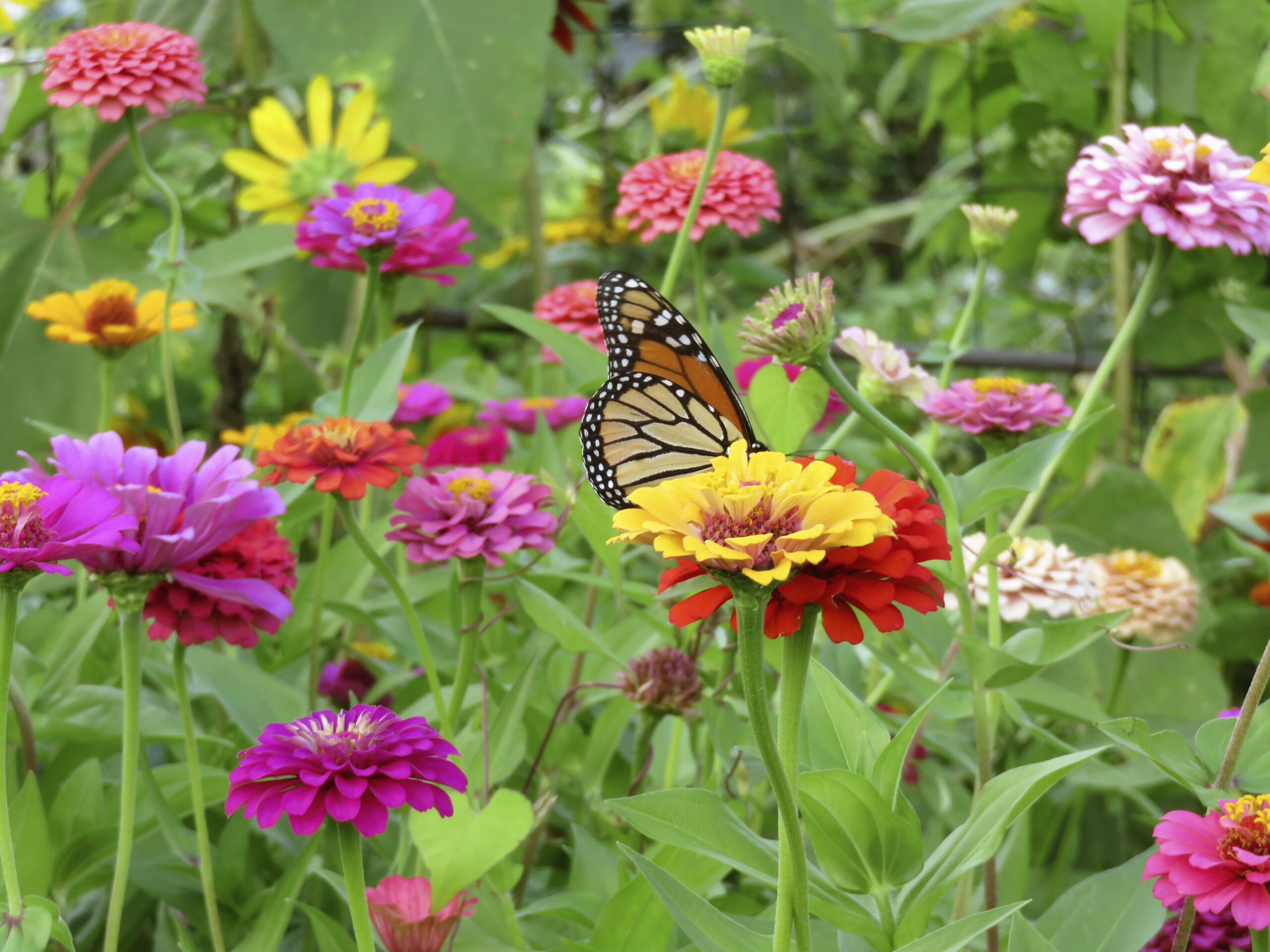
Productive and dependable. The more they are cut, the more they bush out and bloom.
Queeny Series
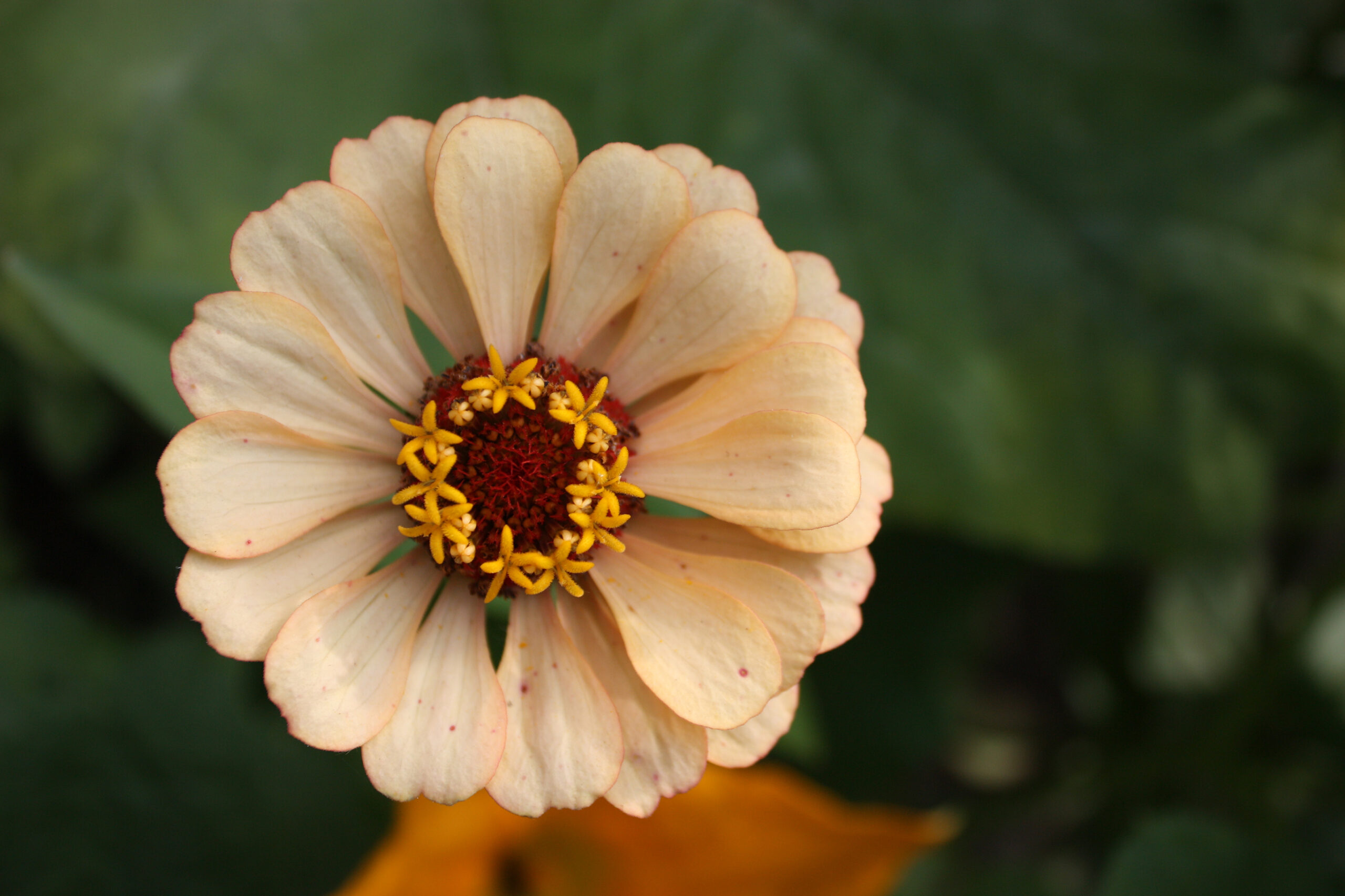
Dusty, muted, and sophisticated tones — lime green, blush, peach, and deep red.
Uproar Rose
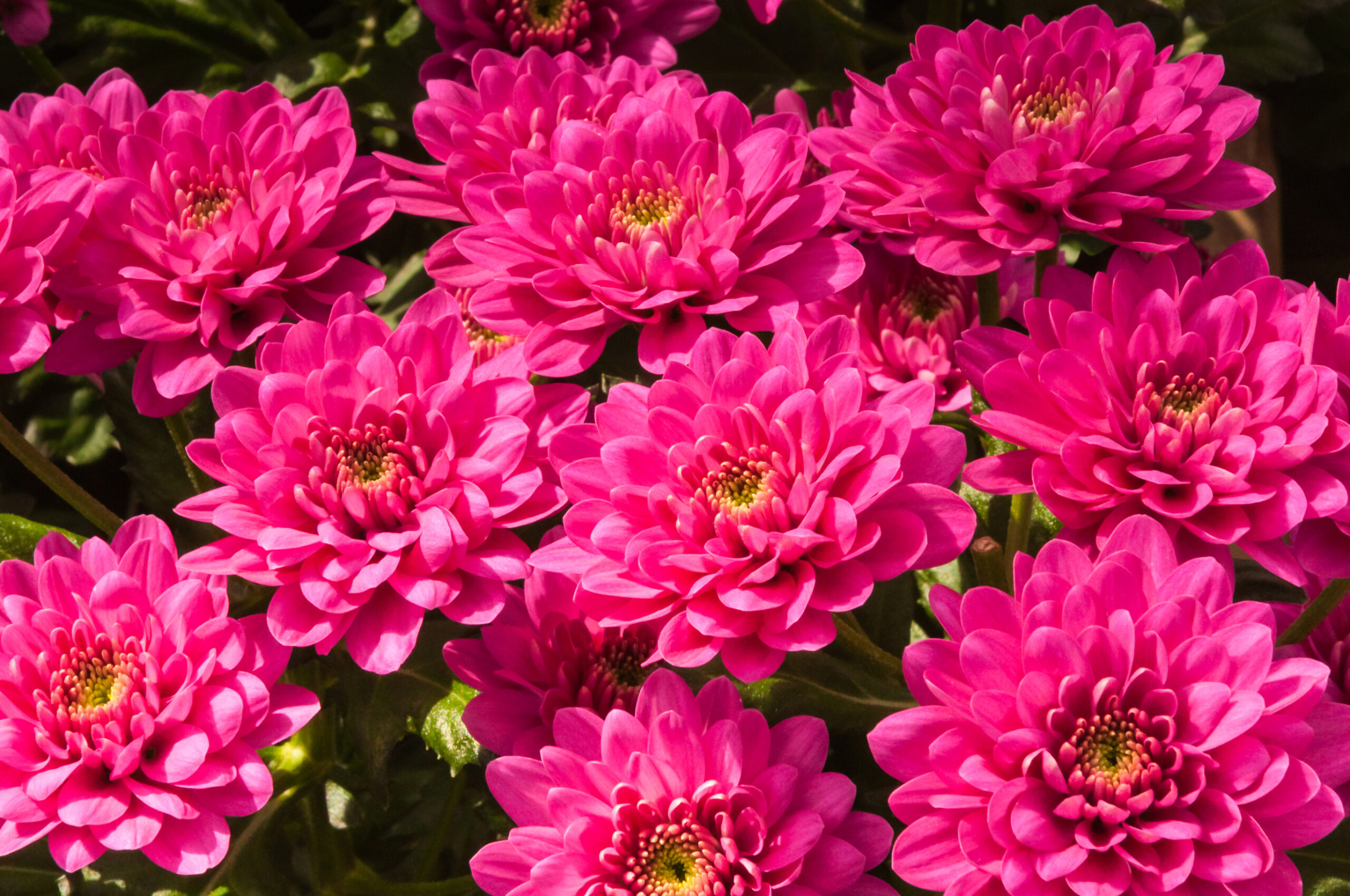
Produces extra-large, double magenta-rose blooms.
Zahara Series
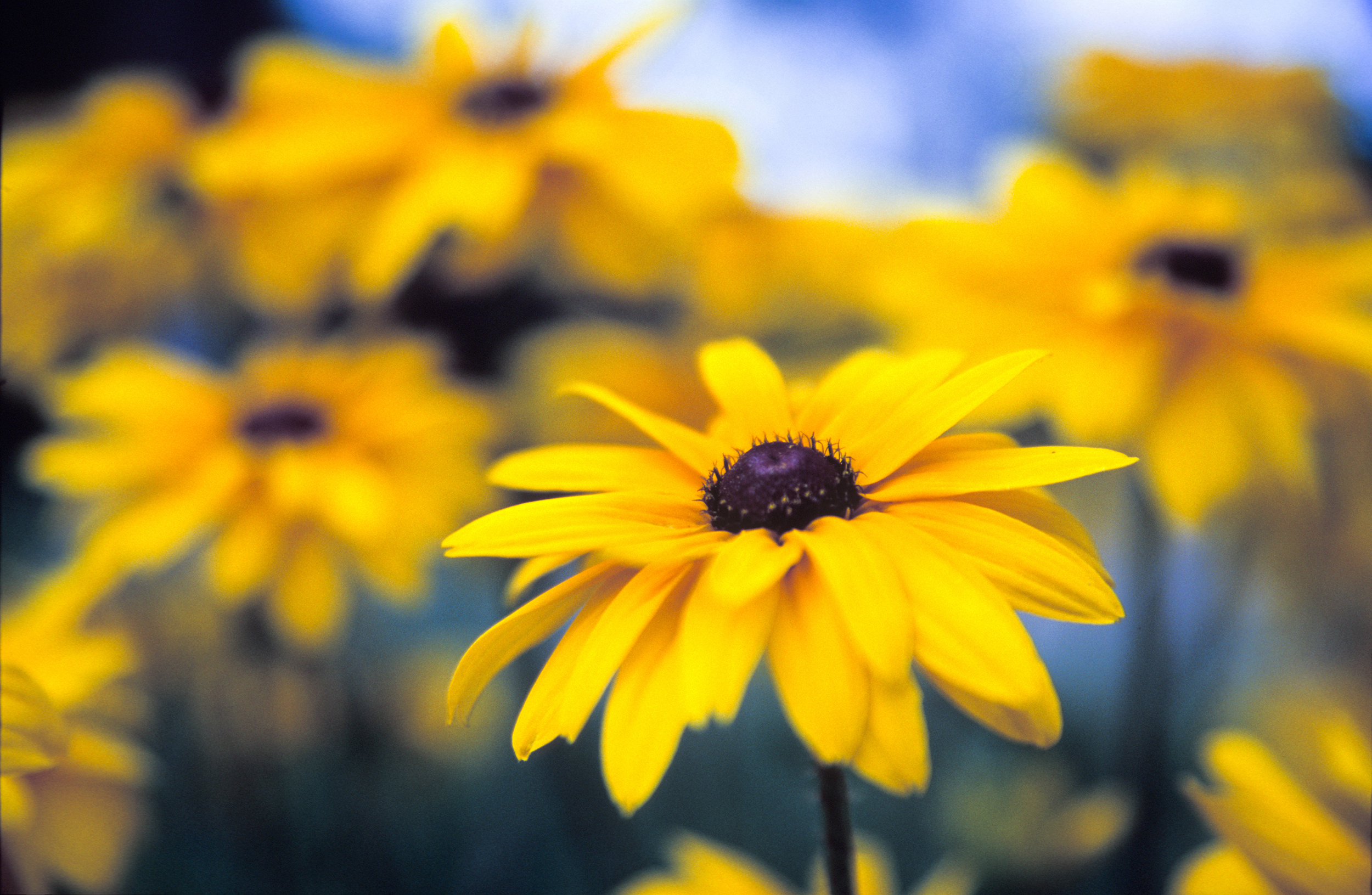
Strong disease resistance. Comes in vibrant, high-impact colors — Starlight Rose, Double Cherry, Double Fire, and various mixed shades.
These blooms do not merely survive Alabama summers — they celebrate them.
If you are missing summer color in your garden, it’s not too late to plant the ever-cheerful zinnia — yes, even from seed. In much of Alabama, gardeners can continue sowing zinnias through late July and even early August for fall flowers.
Zinnias are a longtime favorite for gardeners who want dependable color through the hottest months of the year. They grow easily, repeat their blooms, and stand tall even when the thermometer pushes past 90 degrees. Unlike more fragile bloomers that fade in midsummer, zinnias often look their best during the warmest stretch of the season. They ask for little more than full sun, decent airflow, and occasional watering at the roots.
A July sowing often avoids some of the spring disease pressure as well. By late summer, many gardeners find their zinnias actually look fresher and healthier than earlier plantings.
Continue Reading
Hot Tips for Summer Pollinator Gardens
10 Essential Native Plants for Your Alabama Garden