Expert advice from Julia Adams, Horticulturist for the Japanese Garden, Friends of Birmingham Botanical Gardens

Winter and cold weather bring on a garden’s dormancy but that doesn’t mean there isn’t work to be done. What you do throughout the cold season can make all the difference for your garden and plants come spring. Here are some ways to support and improve your plants and soil quality, as well as protect pollinators, throughout the winter.
Clean Up Strategically
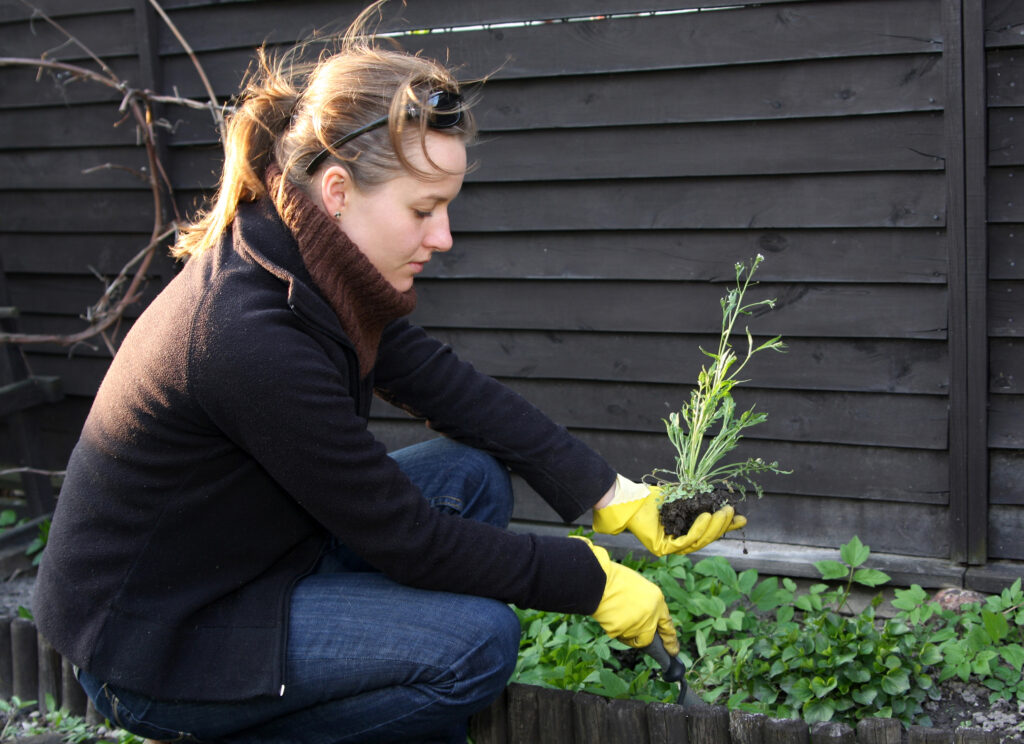
Cleaning up your garden is an important part of getting it ready for winter and the next growing season to come. Just like the rest of the year, you want to make sure you remove dead and rotting material and weed out invasive plants. However, for this time of year it’s best to leave any fully dried leaves and stems on your plants, as they provide shelter for local insects and pollinators throughout winter. This plant material will most often be hollow stems of perennials and fully dried leaves and flowers on your trees and shrubs. Weeding now can be even more important than weeding throughout the growing season—most weed seeds can overwinter in your soil and garden beds and get a head start on taking over in the spring.
Leaf Litter Matters
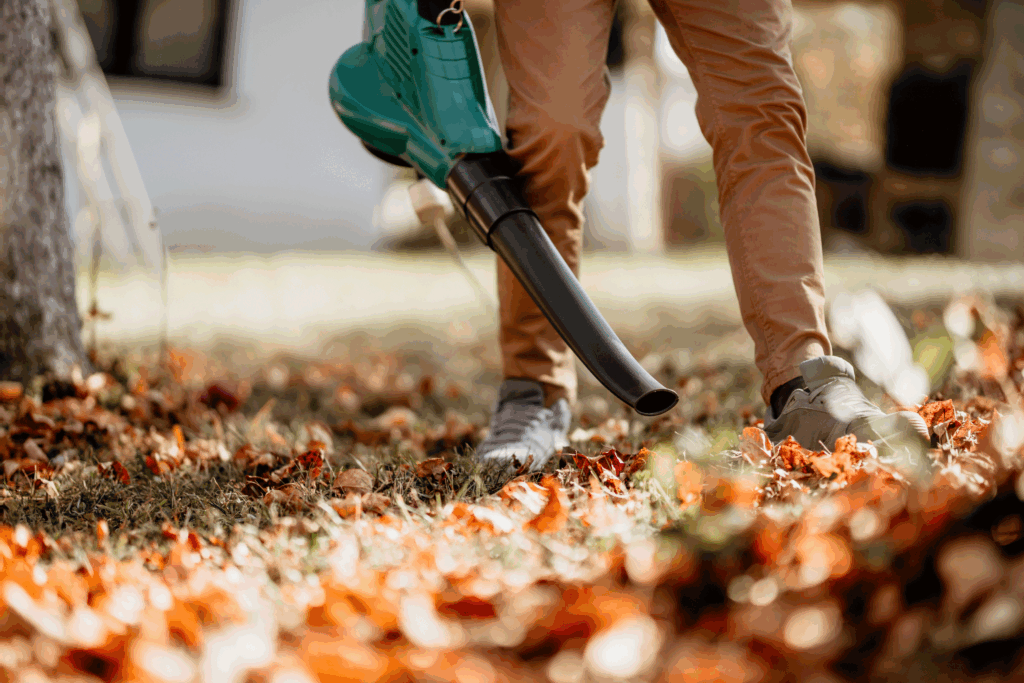
Another task that is synonymous with this time of year is dealing with leaf litter. Whether you rake, blow or vacuum, the best thing is to directly mow leaves into your lawn or add to your planting areas. Leaf litter breaks down and adds organic material and nutrients to your garden as well as acting as an insulator.
Soil Care

Once you’ve tidied up your garden, you can focus on soil health and weather preparation. Adding mulch, compost or leaf litter as insulation can improve plants’ survival rates through harsh cold temperatures. Additionally, amending your soil with additives now gives them time to break down and become active components of your soil by spring. While soil amendments can help retain heat during cold drops, that’s not the only weather-related threat for your garden.
Winter Weather Preparation

Watch out for sudden drops and spikes in temperatures throughout winter. Steady temperatures below freezing can be dangerous for your garden, but large and quick changes are more worrisome. If changes in temperature are expected with rain, this could reduce the risk of frost damage to plants. Dry conditions can be just as damaging as cold temperatures and can worsen the impact of harsh weather on plants. Watering your plants before freezes can keep the roots at a higher temperature and prevent cold damage beneath the soil. Moist soil holds heat which can act as a protective bubble around your plants root system during dangerously cold weather. Watching the weather forecasts can tell you when to prepare and how to best protect your plants.
Now you know how important winter garden tasks are and that there is plenty to do. What you do now will build the blooms, harvests, and beauty of your garden in the coming seasons. So don’t wait for spring—start nurturing now. Your garden will thank you.