Kitchen trends come and go, but the most beautiful kitchens share one thing in common — they are designed to last. A well-designed kitchen should feel current today and still look intentional years from now. That balance between trend and longevity is something homeowners often struggle to achieve.
The showroom team at GLS Supply works with homeowners, designers, and builders every day to help create kitchens that feel fresh without becoming dated. Through years of experience helping local Birmingham homeowners select fixtures and finishes, our team has seen which design choices truly stand the test of time.
Start with Materials That Age Gracefully
One of the most important decisions in a kitchen is choosing materials that improve with age. Natural materials such as brass, stone, and solid surfaces develop character over time rather than showing wear.
The GLS showroom team often encourages homeowners to view fixtures not just as finishing touches, but as long-term investments. A thoughtfully chosen faucet or sink will be used thousands of times each year, making durability just as important as style.
Choose a Focal Point That Anchors the Room
Every memorable kitchen has a focal point — a feature that draws the eye and gives the room structure.
In many kitchens, that focal point is the sink area. A statement faucet paired with a beautifully crafted sink can create a sense of intention and design without overwhelming the space.
Showroom consultants at GLS Supply often guide homeowners toward pieces that feel distinctive but balanced. The goal is not to follow trends blindly, but to choose elements that complement the architecture of the home.
A well-chosen focal point helps the entire kitchen feel cohesive.
Balance Beauty and Function
A kitchen must work as well as it looks. Storage, workflow, and usability all matter just as much as appearance.
One of the biggest advantages of working with a showroom team is the ability to see and handle products in person. Many homeowners discover that details such as faucet reach, handle placement, and sink depth make a meaningful difference in everyday use.
The GLS team regularly helps homeowners compare options side by side so they can choose fixtures that truly fit their lifestyle. Small decisions made early in the design process often lead to a kitchen that feels easier to use for years to come.
Create a Layered Look
Great kitchens rarely rely on a single finish. Instead, they combine materials in a way that feels natural and balanced.
Mixing finishes — such as warm brass with polished chrome or matte black accents — can create depth without feeling busy. Texture also plays an important role. Hammered metal, smooth stone, and glazed ceramics each contribute a different visual quality.
According to the showroom experts at GLS Supply, layered kitchens tend to feel more collected and personal rather than overly designed. This approach allows homeowners to incorporate current trends in small ways while maintaining an overall timeless look.
Design with the Future in Mind
The showroom team at GLS Supply in Birmingham often remind homeowners that the goal is not simply to finish a renovation — it is to create a space that will continue to serve them beautifully for years to come.
A timeless kitchen is not about avoiding trends altogether. It is about making thoughtful choices that combine beauty, quality, and everyday usability.
When those elements come together, the result is a kitchen that feels just as welcoming years from now as it does on the day it is completed.
In Birmingham, spring has a way of inviting people back in.
Afternoons stretch longer. Neighbors stop by. Easter lunches, graduation celebrations and impromptu dinners start filling the calendar. You open the curtains to let the light in and suddenly notice something you did not see in January.
The room is bright, but it is not comfortable.
The TV is washed out before dinner. The dining room feels exposed once the sun goes down. Guests shift in their seats because the glare hits just right at 4 p.m. The space looks beautiful, but it does not quite function the way you hoped.
Before hosting season is in full swing, it is worth asking a simple question: Is your home ready for both daylight and privacy?
Start with a Quick Hosting Walkthrough
You do not need to rearrange furniture. Just walk through your main gathering spaces with a fresh perspective.
Step 1: Stand where your guests sit. At the dining table. On the living room sofa. At the kitchen island.
Notice:
Are you squinting at certain times of day?
Does the television compete with sunlight?
Do you instinctively close blinds halfway, even though it makes the room feel darker than you would like?
Step 2: Check your street-facing windows at dusk. Spring entertaining often stretches into the evening. When interior lights come on, glass can quickly turn into a mirror from the outside looking in. If you feel exposed, your guests likely will too.
Step 3: Pay attention to transitions. Open-concept homes are beautiful for gatherings, but light travels. A west-facing wall of windows can affect not just the living room, but the kitchen and breakfast area as well.
The goal is not to darken your home. It is to make it feel balanced.
Where Entertaining Spaces Fall Short
Here are the most common causes.
Daytime privacy is often overlooked. Many homeowners assume privacy only matters at night. In reality, street-facing rooms can feel uncomfortable during the day, especially in neighborhoods where homes sit closer together. The right window treatment can filter views without closing the room in.
Glare shows up at the worst time. Late afternoon is prime gathering time in Alabama. It is also when west-facing windows deliver their strongest light. What feels cheerful at noon can feel blinding by 5 p.m.
Heavy solutions solve one problem and create another. Closing dark drapes may block glare, but it can also flatten the room and shift the mood. Entertaining spaces need flexibility, not extremes.
Technology is underused. Motorized shades are not about showmanship. They are about ease. With longer daylight hours in spring, being able to adjust multiple windows at once keeps the focus on your guests, not on managing cords and blinds.
What Works for Spring Gatherings
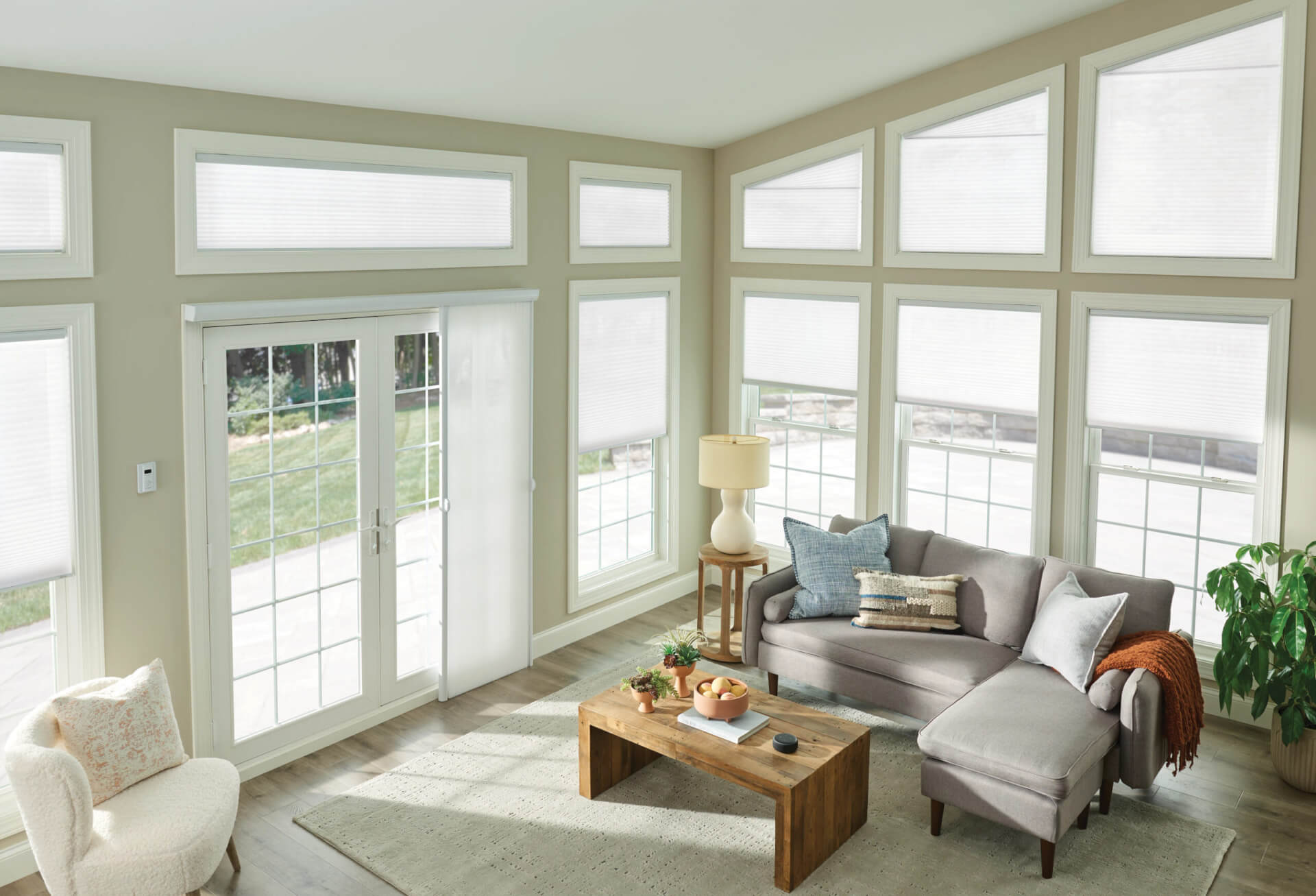
Do you love natural light but want to soften it? Light-filtering shades maintain brightness while reducing harsh glare. They preserve the open feel of the room and photograph beautifully during daytime events.
Does privacy become an issue after sunset? Layered treatments, such as tailored drapery paired with shades, allow you to shift the mood in seconds. The room stays elegant and welcoming, not sealed off.
Are multiple spaces are affected? Address the most exposed windows first. Often, solving the strongest light source improves comfort throughout connected areas.
Do you want adjustments to feel effortless? Scheduling shades to respond to peak sun hours keeps your home comfortable without constant attention. It is a quiet upgrade that makes hosting easier.
A Simple Rule Before Your Next Gathering
Ask yourself:
Do I want this room to feel bright and airy, softly filtered or more intimate after dark?
At what time of day will we host most often?
Which windows face the street or the strongest sun?
When those answers are clear, the right solution becomes much easier to choose.
Entertaining is about connection. When light, privacy and comfort are handled well, your home feels relaxed and welcoming. Guests linger longer. Conversations flow. You are not adjusting blinds between courses.
Spring is a natural time to refresh the way your home functions. With the right window treatments, you can keep the light you love and gain the comfort you need.
If you suspect your gathering spaces are suffering from more than just glare, check out The Alabama Heat Test, which explains why certain rooms always feel hotter and how to manage those peak afternoon hours.
Sponsored by VanGogh Window Fashions. If your gathering spaces feel too bright, too exposed or difficult to manage, a consultation can help you create a solution that looks polished and works beautifully. Visit www.vangoghwindowfashions.com to learn more.
As Birmingham begins to shift into spring, there’s a noticeable energy in the air — longer afternoons, softer light, and a renewed desire to refresh the spaces we call home. Tucked into Vestavia Hills on Blue Lake Drive, The Trellis offers a thoughtful response to that seasonal transition: a light-filled nursery designed not simply for shopping, but for inspiration. Locally owned and carefully curated, The Trellis has quickly become a destination for Birmingham homeowners seeking greenery, garden accents, and timeless décor that feels both elevated and approachable.
The Trellis Brings the Outdoors In
From the moment visitors step inside, they are met with layered textures, natural light streaming through wide windows, and displays that feel more like styled living spaces than traditional retail shelves.
We wanted to create a place that felt welcoming and intentional. A space where people could wander, slow down, and gather ideas for their homes and gardens.
The Trellis Team
That vision is evident in every detail.
Statement houseplants — from sculptural fiddle leaf figs to deep-toned rubber trees — anchor airy vignettes, while seasonal florals and garden-ready selections rotate throughout the year.
Thoughtfully arranged pottery, woven textures, and neutral accents complement the greenery, allowing each plant to shine while still feeling cohesive within a home environment.
As spring unfolds, The Trellis is welcoming fresh arrivals that blur the line between indoor and outdoor living. Patio-ready plants sit alongside curated décor pieces designed to soften outdoor spaces. Delicate florals and early seasonal blooms offer a gentle introduction to the warmer months ahead, while hardy garden selections invite homeowners to begin planning for summer landscapes.
More Than a Garden Shop
But beyond its product offerings, what distinguishes The Trellis is its atmosphere. The space encourages exploration — a quiet pause in the middle of a busy day. Visitors often find themselves lingering, taking in styled tablescapes or gathering ideas for a front porch refresh. For many, it has become less of a quick errand and more of a ritual to stop at this local oasis. The knowledgeable team plays a key role in that experience. Whether assisting a seasoned gardener or guiding a first-time plant owner through their first purchase, the approach is approachable and encouraging. Questions are welcomed. Education is offered generously. The goal is confidence, not intimidation. That balance — aspirational yet accessible — resonates with Birmingham’s design-conscious homeowners.
The Trellis reflects a broader shift toward intentional living, where greenery is not simply decorative but restorative. Plants soften modern interiors, add life to traditional spaces, and bring a sense of calm that and bring a sense of calm that extends beyond aesthetics. Community also sits at the heart of The Trellis. As a locally owned business, it has grown alongside Vestavia Hills and surrounding neighborhoods, drawing visitors from Homewood, Mountain Brook, Hoover, and beyond. For many, it represents a hyper-local alternative to big-box garden centers — one that prioritizes experience, quality, and personal connection.
Small Additions, Significant Impact
As Birmingham embraces the new season, The Trellis offers a reminder that refreshing a home does not require a full renovation. Sometimes it begins with:
A single plant.
A thoughtfully chosen planter.
A spring arrangement placed just inside the entryway.
Small additions can shift the atmosphere of a space, bringing lightness and vitality indoors. Whether preparing a patio for gatherings, updating a living room corner, or simply seeking a peaceful afternoon surrounded by greenery, The Trellis invites visitors to slow down and explore what’s growing this season.
Marci Hollingsworth, Owner of The Trellis Nursery
Located in Vestavia Hills, The Trellis continues to cultivate beauty — not only in the plants it offers, but in the environment it has created for the Birmingham community. To learn more or explore seasonal arrivals, visit The Trellis online or stop by in person to experience the space firsthand.
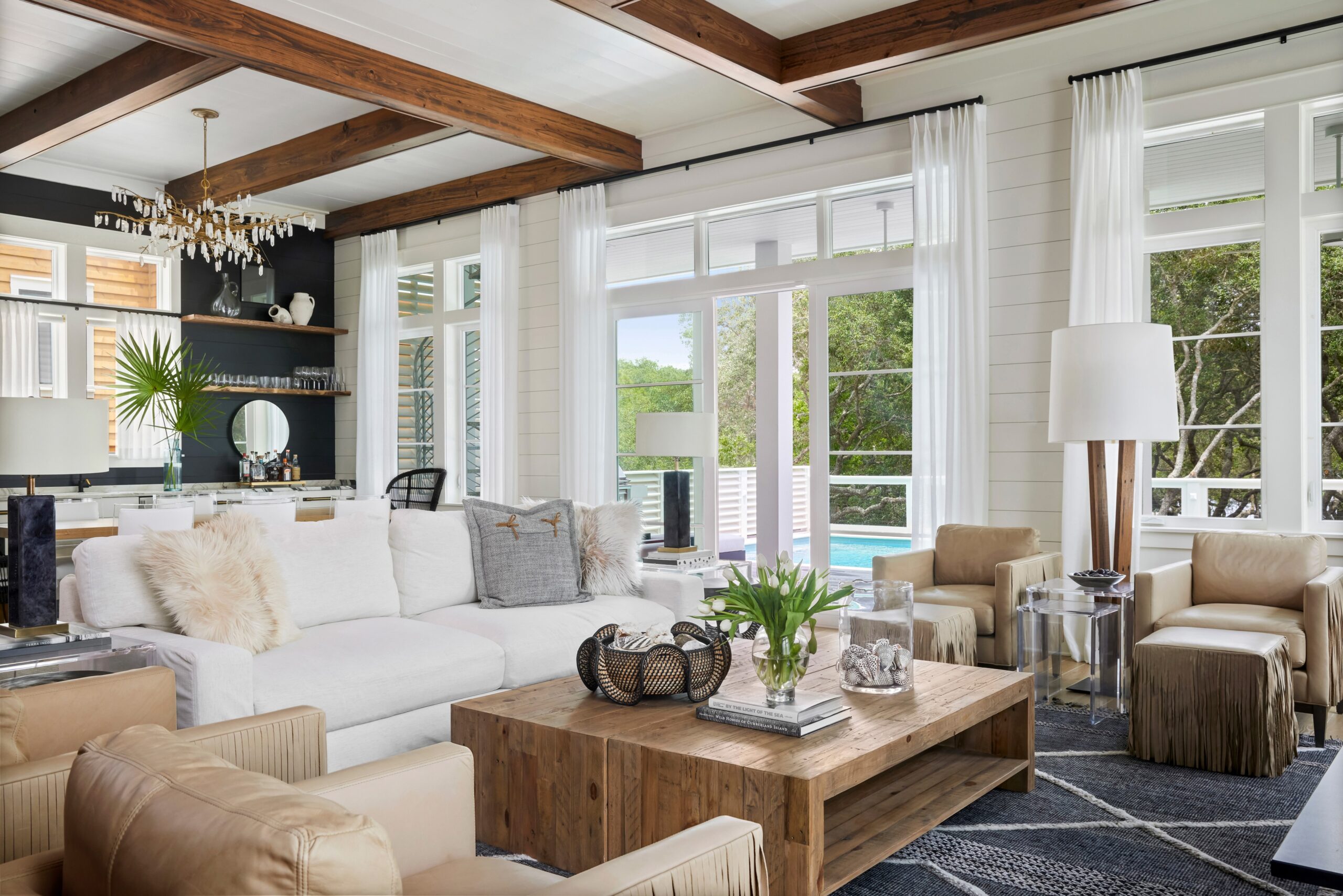
Living areas open to the outdoors for easy entertaining. Fabrics and furnishings respond to practical needs for comfort and everyday life. A substantial coffee table echoes the warm wood of the exposed beams. // Styling by Lynn Nesmith // Photography by Jean Allsopp
Grayton Beach has been a coastal resort in one form or another for more than a century. Decades before Seaside existed—when 30A was a less-traveled county road, not a world-class destination—the gleaming emerald waters and sugar-white sand lured adventurous travelers to this unique stretch of the Florida Panhandle. Over the years, the laid-back, romantic appeal of Grayton Beach never wavered.
That’s exactly what prompted clients of interior designer Georgia Carlee to purchase property in 30A’s first beach town.The couple’s original plan was to build a spec house, but while construction was underway, they fell in love with the property’s sheltering oaks, as well as its location just steps from Western Lake and the Gulf. Their mindset shifted as they began customizing the project for themselves.
“The overall floor plan was well-thought-out, particularly with the inclusion of separate guest suites for each grown son, along with a generous pool and deck area. But it needed the attention to detail typically seen in a true custom home design.” – Georgia Carlee
Ten years earlier, Georgia had designed the couple’s WaterColor home, so they were confident the designer could capitalize their investment. “The shell of the building was in place,” recalls Georgia. She got to work upgrading finishes, fixtures, materials, and details throughout.
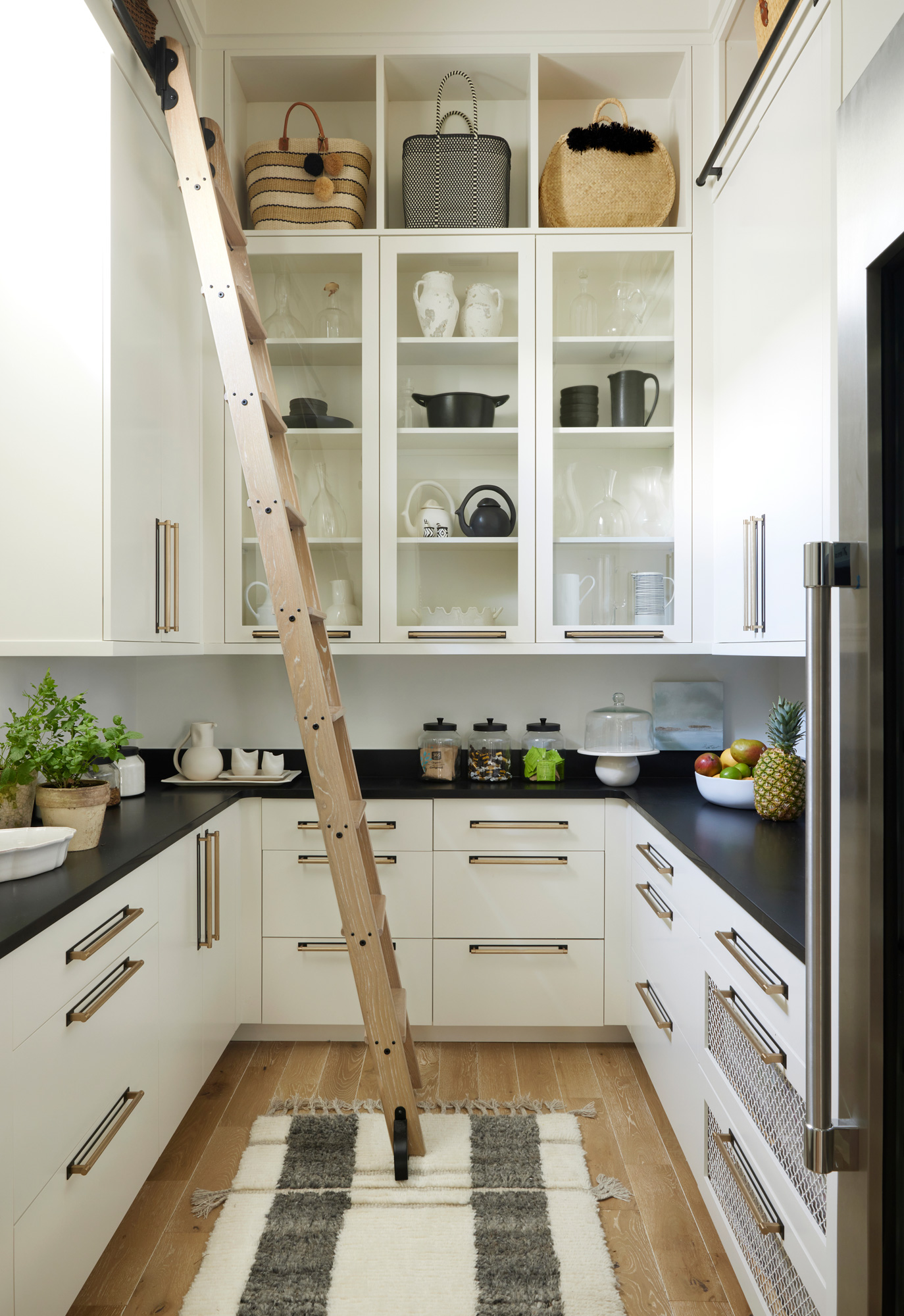
The butler’s pantry repeats the striking black-and-gold hardware of the kitchen and echoes its contemporary mood. Glass-front cabinets and open display above accentuate the tall ceilings.
The designer also added some drama as she balanced a mix of modern verve, collected art and antiques, and coastal sensibilities. The main spaces are located on the second floor, so Georgia created a gracious first impression in the foyer with a welcoming procession up through the house. An open stairway bathed in natural light ascends to the generous loft like living area that happily accommodates cooking, dining, and living.
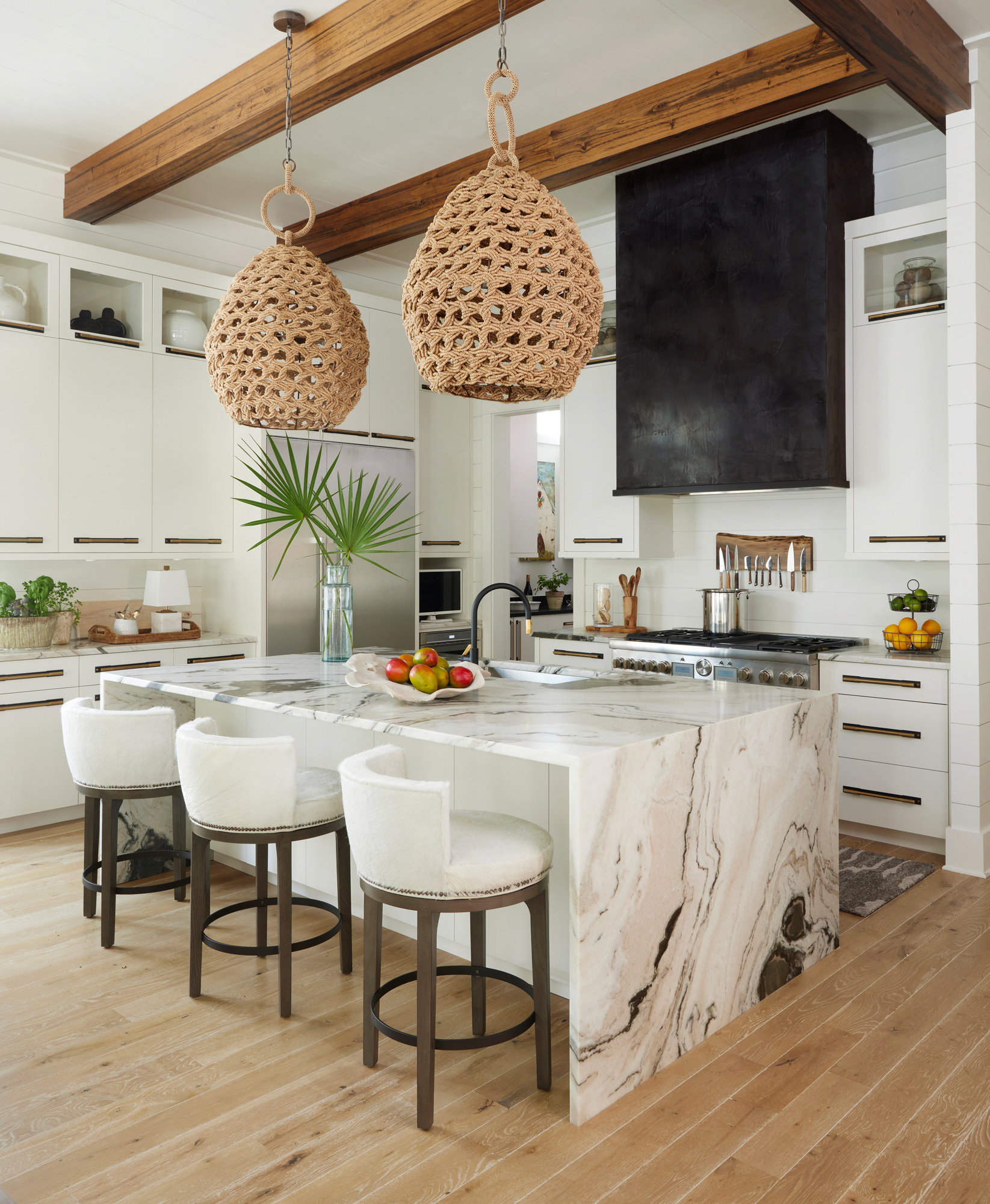
“A sleek, black Venetian plaster range hood and oversized gold-and-black cabinet hardware offer visual counterpoints to the white cabinets that were already specified,”
– Georgia Carlee
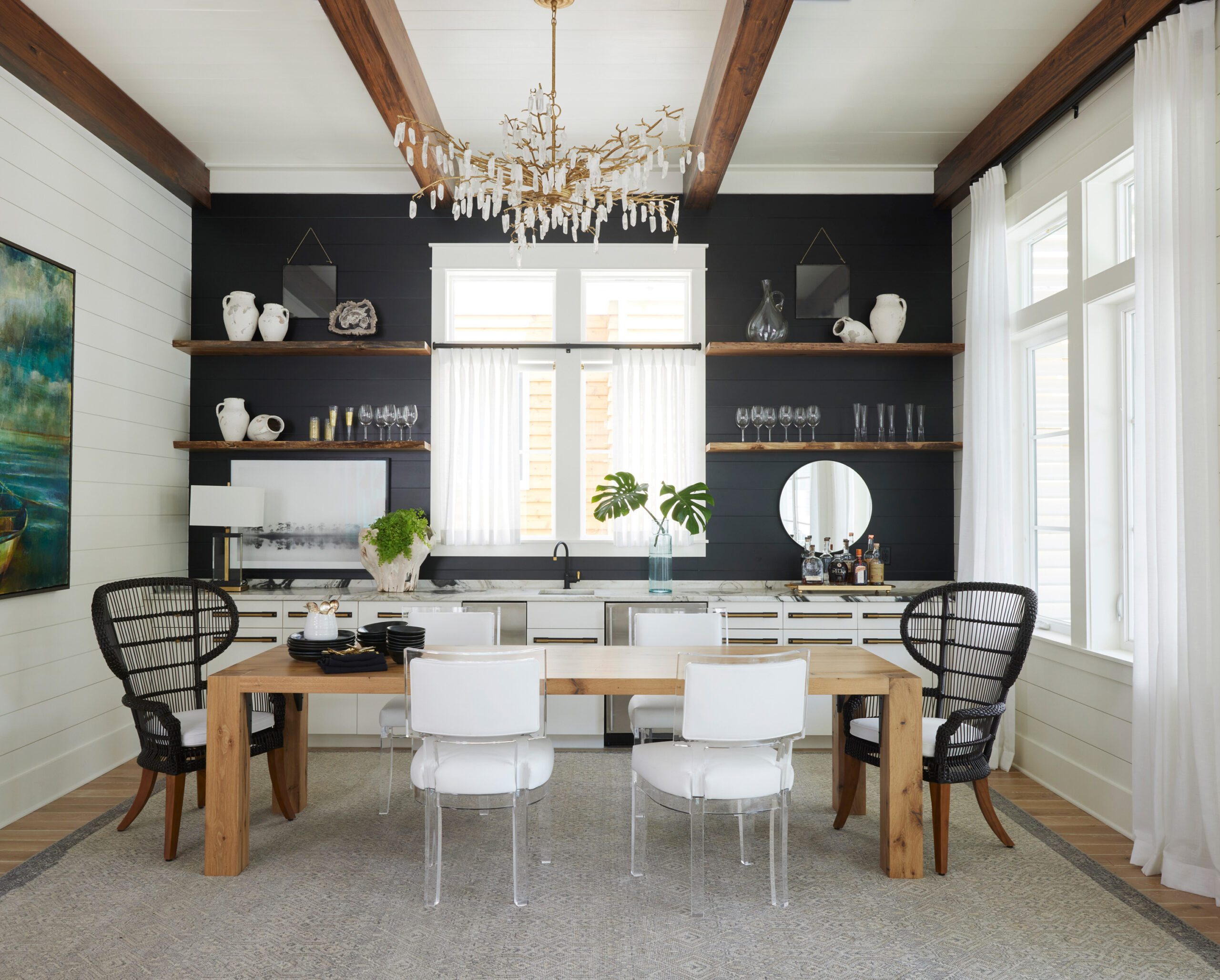
Living areas flow one to another, organically designated by layered details and furniture placement. A black accent wall with a built-in buffet echoing the mood and manners of the kitchen defines the inviting dining area. A large window with sheer curtains and floating shelves for storage and display enliven the space.
Lucite dining chairs with white upholstery mix with black rattan fan chairs around a sturdy modern farmhouse table for a pleasing variety of styles.
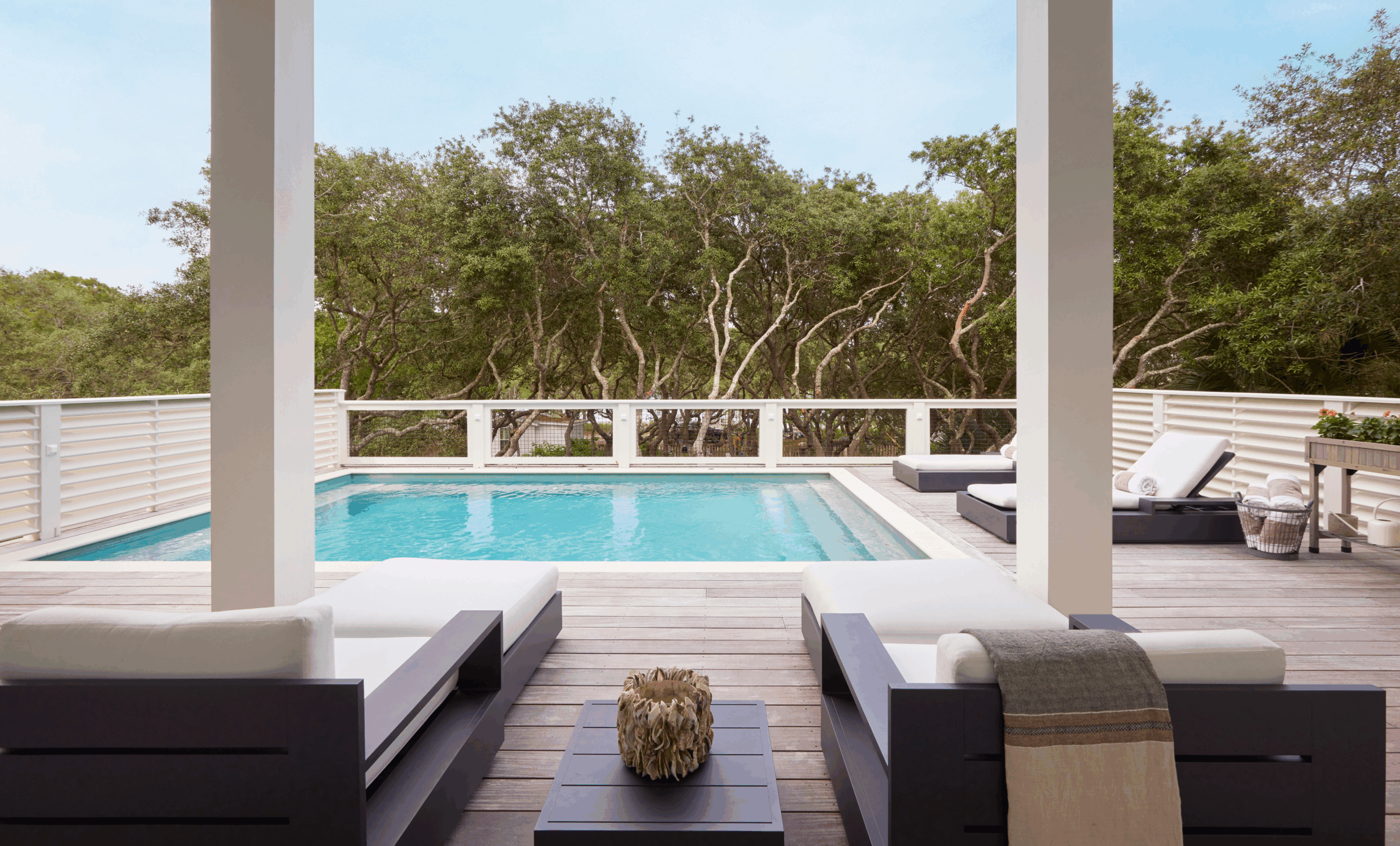
The soothing palette of neutral hues mixed with blacks and whites manages to both hush and highlight the natural materials and other details. A monolithic Venetian plaster fireplace and a charcoal gray rug anchor the main living area. Linen-and cotton-upholstered seating in textured neutrals offers both practicality and beauty. Fostering a seamless interchange between indoors and out, expansive windows and French doors open to an elevated pool deck and covered lounge area.
“A space truly comes alive when you layer in textures, creating visual interest and a comforting, tactile richness.”
– Georgia Carlee
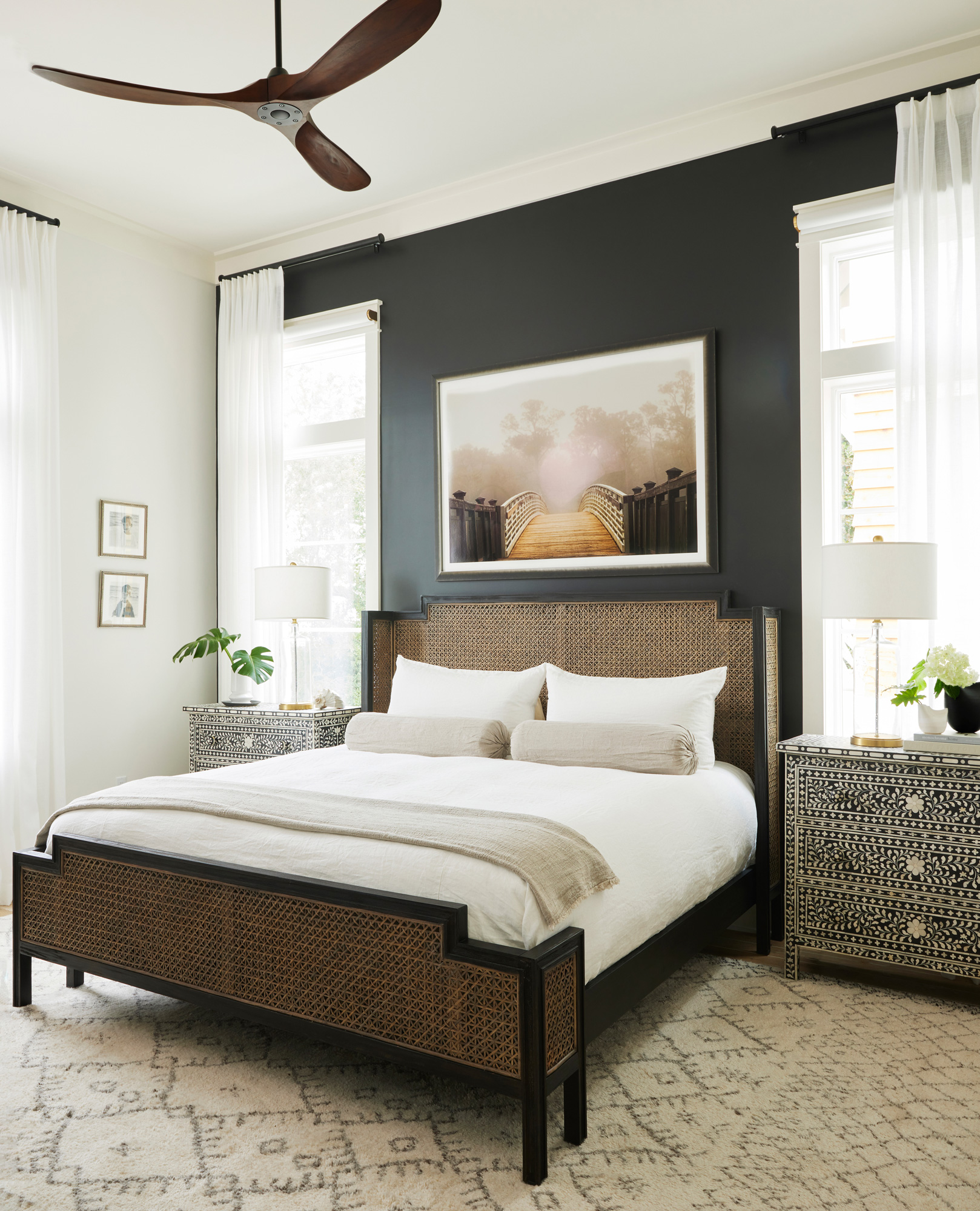
The same vocabulary of textures, layered finishes, and confident strokes of black and white continues in the primary suite, creating a serene mood. Tall windows, a favorite photograph of Western Lake above the bed, and matching end tables with an ornate bone- inlaid pattern complement another black accent wall.
A picture of the Western Lake pedestrian bridge by Texas photographer Carmody Baker sets the mood for the primary bedroom.
Georgia emphasizes that finding a balance between comfort and creativity is important in any home. In this case, modern flourishes meld with refined finishes for a laid-back spirit with coastal overtures—a style that nods to both its setting and the desires of its owners.
Soaring ceiling beams and an expansive stone island highlight the home’s grand scale. The sleek, black Venetian plaster hood provides a visual counterpoint to crisp shiplap, while oversized woven textures introduce a tactile richness that feels both modern and authentically coastal.An elevated pool and sun deck are nestled among windswept live oaks that offer welcomed privacy and shading.
If you live in Alabama, you already know the pattern. The day starts pleasant, then the sun swings around and one room becomes the place everyone avoids. It might be a bonus room over the garage, a west-facing living room or a sunny kitchen that feels great at breakfast and uncomfortable by late afternoon.
The good news is that “one hot room” is usually not a mystery. It is typically a combination of sun exposure, glass, airflow and finishes. With a simple walkthrough, you can pinpoint what is driving the discomfort and identify the most effective next step.
Start with the 10-Minute Heat Test
You do not need tools. Just take a quick lap through your home on a warm, sunny day.
Step 1: Check the clock.
Do this twice if you can: once around 11 a.m. and again around 3 to 5 p.m. Afternoon tells the truth in Alabama.
Step 2: Stand where you actually sit.
Not at the window, but on the sofa, at the desk, at the kitchen island. Notice:
Is the room warmer, or does it just feel harsh and bright?
Are you squinting, shifting seats or closing your eyes to glare?
Does the air feel still, even if the thermostat is set low?
Step 3: Look at where the sun lands.
Direct sun on floors, rugs and upholstery is a strong clue. So is sunlight blasting the TV, the dining table or a favorite reading chair.
Step 4: Touch-test the surfaces.
If a room feels hot, lightly touch the floor near the windows and the wall below them. When surfaces heat up, the room often feels warmer even if the air temperature is similar.
Why One Room Runs Hotter
Here are the most common causes.
1) West and south exposures take the hardest hit.
South-facing windows can bring beautiful light all day. West-facing windows are famous for the late-day “blast” that turns a comfortable room into an oven. Large panes amplify the effect. That is not a flaw in the home. It is simply physics.
2) Glass can be efficient and still feel uncomfortable.
Modern windows help, but comfort is not just about insulation values. Solar heat gain, glare and radiant heat all affect how a room feels. You can have a well-built window and still need better light control for a particular exposure.
3) Layout and airflow matter more than most people expect.
Vaulted ceilings, open-concept rooms and upstairs spaces often heat differently because air does not circulate evenly. Bonus rooms over garages can be especially tricky since the space below may not be conditioned like the rest of the house.
4) The room may be “bright” in a way that feels fatiguing.
Sometimes the complaint is not temperature. It is visual discomfort. Glare on screens, washed-out colors and sharp contrast can make a room feel stressful, even if the AC is working fine.
What Helps, Based on What You Notice
Once you identify what is happening, the right solution becomes clearer.
If the room is bright and harsh, but you still want daylight:
Look for light-filtering solutions that soften glare without dimming the room. The goal is to keep the space feeling open while reducing the intensity that causes squinting and hot spots.
If the room heats up quickly in late afternoon:
Consider solar-control options designed to reduce heat at the window. In Alabama, managing the sun before it turns into stored heat in floors and furniture can make a noticeable difference.
If privacy is part of the problem, especially in street-facing rooms:
Prioritize a treatment that offers daytime privacy without closing the room in. Many homeowners default to heavier options than they need. A brighter approach often looks more polished and feels more livable.
If the room feels uneven throughout the day:
Consistency helps. Motorized shades can be scheduled to respond to peak sun hours. This is less about “smart home” showmanship and more about making comfort automatic, especially in rooms you use daily.
If the adjacent rooms also feel warmer:
Think beyond the problem room. Heat and glare often travel through open doorways and connected spaces. A targeted solution at the most exposed windows can improve comfort in multiple areas.
A Quick Rule of Thumb
If you can answer these three questions, you are already ahead:
Which direction do the hottest windows face?
What time of day is the room at its worst?
Is the issue heat, glare, privacy, or a mix?
From there, the most useful next step is choosing a solution that matches the way you live. A media room needs different light control than a breakfast nook. A primary bedroom has different priorities than a home office. Comfort is specific.
Sponsored by VanGogh Window Fashions. If you’d like an expert opinion, a consultation can help pinpoint the exact windows driving heat and glare, and map solutions that keep your home bright, comfortable and easy to enjoy. Visit our website at www.vangoghwindowfashions.com to learn more.
The right nutrition can address everything from joint pain to headaches to digestive issues to problems with concentration and focus. The easiest way to do that? Choose foods that fight inflammation. Things like diabetes, heart disease, high blood pressure, and even Alzheimer’s, all have one underlying connecting factor: inflammation. It’s not complicated. And it’s not about cutting out foods. Everyone can benefit from an anti-inflammatory diet; it’s the basis of a healthier you.
Author and Culinary Nutrition Expert Carolyn Williams, PhD, RDN.
Carolyn, a registered dietitian and a member of the Birmingham Chapter of Les Dames d’Escoffier International, is known for simplifying the science behind healthy eating. She’s written two books about it—Meals that Heal: 100 + Everyday Anti-Inflammatory Recipes in 30 Minutes or Less and Meals that Heal One-Pot. Both are about harnessing the healing powers of food with quick, easy-to-follow, family-friendly recipes.
She’s also received a James Beard award for a story on the link between diet and Alzheimer’s disease. Carolyn uses her social media outlets to break down the latest news and trends when it comes to food, diet and health. “I love being a trusted ‘go-to’ resource when you need practical, yet research-based answers for you or your family,” she says.
Website, newsletter, and link to her weekly podcast, Happy Eating, co- hosted with Brierley Horton MS, RD: CarolynWilliamsRD.com
Why Anti-Inflammatory Eating Matters
Inflammation is the body’s natural response to stress or injury, but when it becomes chronic, it can contribute to a wide range of health issues. Rather than focusing on strict rules, Williams encourages adding nutrient-dense foods that naturally support the body.
Think vibrant produce, healthy fats, whole foods, and balanced meals that are satisfying as well as nourishing.
“The easiest way to start is simply choosing foods that help your body work better.”
Three Simple Ways to Get Started
You don’t need a full kitchen overhaul to begin eating more intentionally. Williams suggests starting with three achievable habits:
Eat Leafy Greens Every Day
Aim for about one cup daily. Spinach, arugula, kale, and mixed greens add fiber, vitamins, and antioxidants that support overall health.
Add Berries Each Week
Two to three cups of fresh or frozen berries deliver powerful plant compounds linked to reduced inflammation — and they’re easy to add to breakfast, smoothies, or snacks.
Prioritize Cruciferous Vegetables
Broccoli, cauliflower, cabbage, bok choy, and collard greens may not smell glamorous while cooking, but they’re nutritional powerhouses packed with compounds that support detoxification and cellular health.
Here Are a Few of Her Favorite Recipes:
For Williams, anti-inflammatory eating isn’t about perfection — it’s about consistency and enjoyment.
“When meals are flavorful and satisfying, healthy eating becomes sustainable.”
Chicken Tostadas With Avocado Salsa
SERVING 2 TOSTADAS
Photo by Alison Miksch
1 pound skinless, boneless chicken breasts 2 teaspoons all-purpose taco seasoning (or store-bought organic taco seasoning) 3/8 teaspoon kosher salt ½ cup low-sodium chicken broth 1 cup chopped tomatoes or quartered cherry tomatoes 1 ripe avocado, chopped 2 tablespoons chopped red onion 1 teaspoon olive oil 2 teaspoons red wine vinegar or fresh lime juice 8 (6-inch) corn tortillas Cooking spray 1 ounce queso fresco or feta cheese, crumbled (about ¼ cup) Chopped fresh cilantro (optional)
Rub the chicken with the taco seasoning and 1 /4 teaspoon of the salt and place in a 6-quart multicooker. Pour the broth over the chicken. Close and lock the lid of the cooker; turn the pressure release valve to the sealing position. Program the cooker to cook on manual on high pressure for 9 minutes.
Preheat the oven to 375°F. Line a baking sheet with aluminum foil. Combine the tomato, avocado, and onion in a medium bowl. Whisk together the oil, vinegar, and remaining 1 /8 teaspoon salt in a small bowl, and pour over the avocado mixture, stirring gently. Let stand until ready to serve (up to 1 hour)
Turn the pressure release valve to the venting position to quickly release the pressure (steam) from the cooker until the float valve drops. Carefully remove the lid. Transfer the chicken breasts to a cutting board or plate and let cool for 5 minutes. Meanwhile, lightly coat both sides of each tortilla with cooking spray; place on the prepared baking sheet. Bake the tortillas until lightly browned and crisp, 10 to 15 minutes, turning once. During the last 5 minutes of baking, shred the chicken with two forks. Top each tortilla with 1 /4 cup of the shredded chicken, about 3 tablespoons of the avocado mixture, and 11 /2 teaspoons of the cheese. Garnish with cilantro, if desired.
STOVETOP OPTION: No multicooker? Simply season the chicken according to the recipe, and combine the chicken and broth in a medium saucepan. Bring the broth to a boil, reduce the heat to maintain a simmer, cover, and cook until the chicken is cooked through, about 15 minutes. Continue as directed.
Zucchini Taco Skillet
SERVES 4
Photo by Jennifer Causey
1 teaspoon olive oil ¾ pound lean ground beef 1½ tablespoons all-purpose taco seasoning (or store-bought organic taco seasoning) ¾ teaspoon kosher salt 1 (14.5-ounce) can no-salt-added fire-roasted diced tomatoes 1 (14.5-ounce) can no-salt-added black beans, rinsed and drained 1 cup fresh or frozen corn kernels (about 2 ears) ½ cup water 3 cups zucchini spirals 1½ ounces cheddar cheese, shredded (about 1/3 cup) ¼ cup chopped scallions
Heat a large skillet over medium heat. Add olive oil and swirl to coat the pan. Add the ground beef and cook for about 4 minutes, stirring to crumble. Increase heat to medium-high and add taco seasoning and kosher salt; cook, stirring often, until the beef is browned, about 2 more minutes.
Stir in diced tomatoes, black beans, corn, and water; bring to a simmer, stirring occasionally. Let simmer until slightly thickened, about 5 minutes.
Add zucchini spirals, cover, reduce heat to medium-low, and cook until the zucchini is just tender, about 3 minutes.
Divide evenly among four bowls and top with shredded cheddar cheese and chopped scallions. Serve immediately.
Sheet Pan Honey-Soy Salmon With Sweet Potatoes and Green Beans
SERVES 4
Photo by Alison Miksch
Cooking spray 1½ tablespoons gluten-free lower-sodium soy sauce or tamari 3 tablespoons olive oil 1 tablespoon honey 1 tablespoon fresh lime juice (from 1 lime) 2 garlic cloves, minced 4 (5-ounce) skin-on salmon fillets 1 pound sweet potatoes, cut into ¾-inch cubes ½ teaspoon kosher salt ½ teaspoon black pepper 1 (12-ounce) bag trimmed fresh green beans
Preheat the oven to 400°F. Line an 18 x 13-inch rimmed baking sheet with aluminum foil and coat with cooking spray.
In a large bowl, whisk together soy sauce, 1 tablespoon olive oil, honey, lime juice, and half the garlic. Add the salmon fillets and toss to coat.
Place the sweet potatoes on the prepared pan. Drizzle with 1 tablespoon olive oil and sprinkle with ¼ teaspoon salt and ¼ teaspoon pepper; toss to coat. Roast until almost fork-tender, about 20–25 minutes.
A few minutes before the potatoes are done, toss the green beans with the remaining 1 tablespoon olive oil, remaining garlic, and ¼ teaspoon each salt and pepper; toss to coat.
Remove the pan from the oven, stir the potatoes, and push them to one side. Place the salmon in the center and spread the green beans over the remaining space. Roast for 15 minutes, until the salmon is cooked through and the vegetables are tender.
Meals That Heal: 100+ Everyday Anti-Inflammatory Recipes in 30 Minutes or Less brings together more than 100 quick, approachable recipes from Birmingham-based culinary nutrition expert and registered dietitian Carolyn Williams, PhD, RDN. Designed to make healthy eating practical for everyday life, the cookbook pairs research-backed nutrition guidance with flavorful meals focused on reducing inflammation, supporting gut health, and helping readers feel their best. Along with recipes ready in 30 minutes or less, Williams shares meal-planning strategies, pantry guides, and a step-by-step program for building sustainable habits in the kitchen.
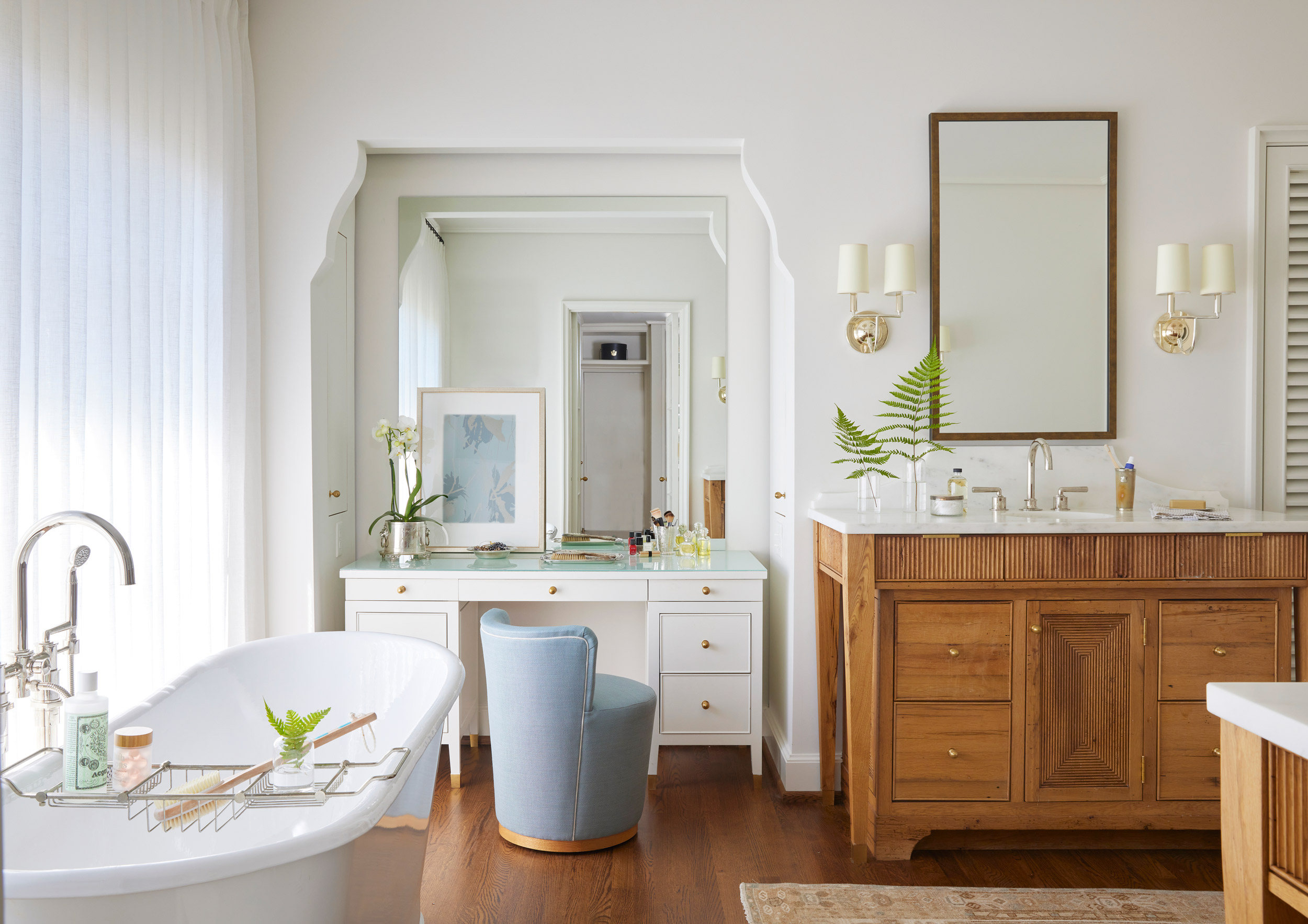
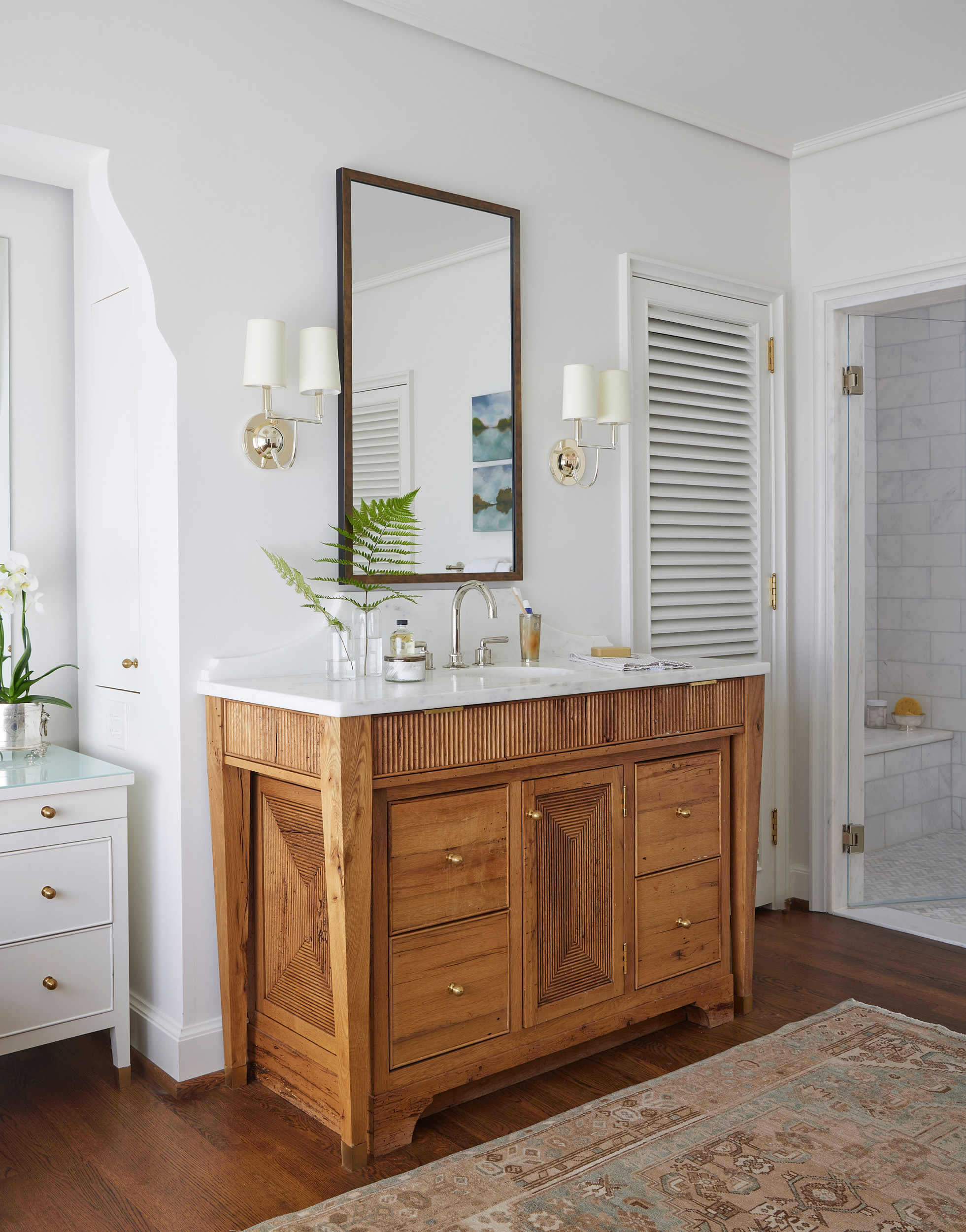
An all-white room can still feel full of warmth and texture. Reeded wood cabinets and gold hardware add depth beside a sleek white vanity framed by a trefoil arch. A tall mirror reflects light and space, making this tucked-away spot feel open and inviting. Photography: Jean Allsopp
When designing a new space in a 1920s home, it’s imperative to look to classic materials and enduring style for a successful, integrated design.
The first step was finding a way to gain more square feet and create a plan. Architect Paul Bates evaluated the existing floorplan and was quick to find space that they could take in from adjacent rooms. This allowed for a larger bath, with freestanding tub, separate shower, a pair of custom vanities, and a generously-sized closet.
“This is a beautiful estate. Our goal was to make the renovations seamless and timeless.”
—Designer Sumner Starling
The client, a wellness spa owner with a dedicated skincare routine, needed ample space to house her collection of beauty essentials.
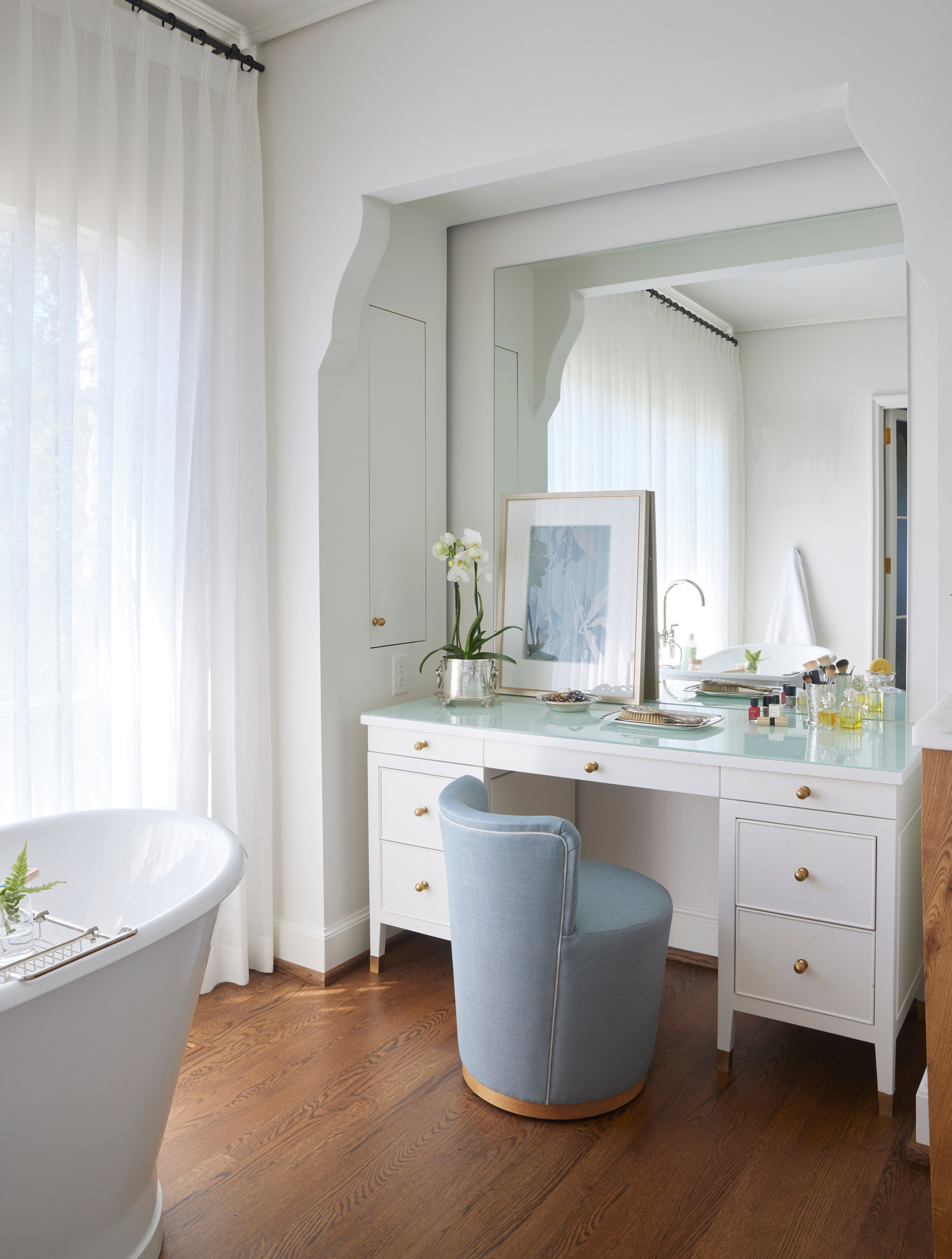
Custom storage was thoughtfully integrated throughout, including discreet flush cabinets flanking the dressing table for seamless, built-in organization. “Paul designed the pair of white oak vanities which are pieces of art in themselves,” Sumner says.
Even with floorplan changes, Sumner says, “The master bath and closet needed to feel like they had always been part of this house.” To accomplish that goal, Paul and Sumner, along with her co-designer, Anne Hurley, chose finishes in white oak, unlacquered brass, marble, and polished nickel to achieve that unfailing stance. It’s a shared space that’s not too masculine and not too feminine, striking a just-right balance for this couple and their historic home.
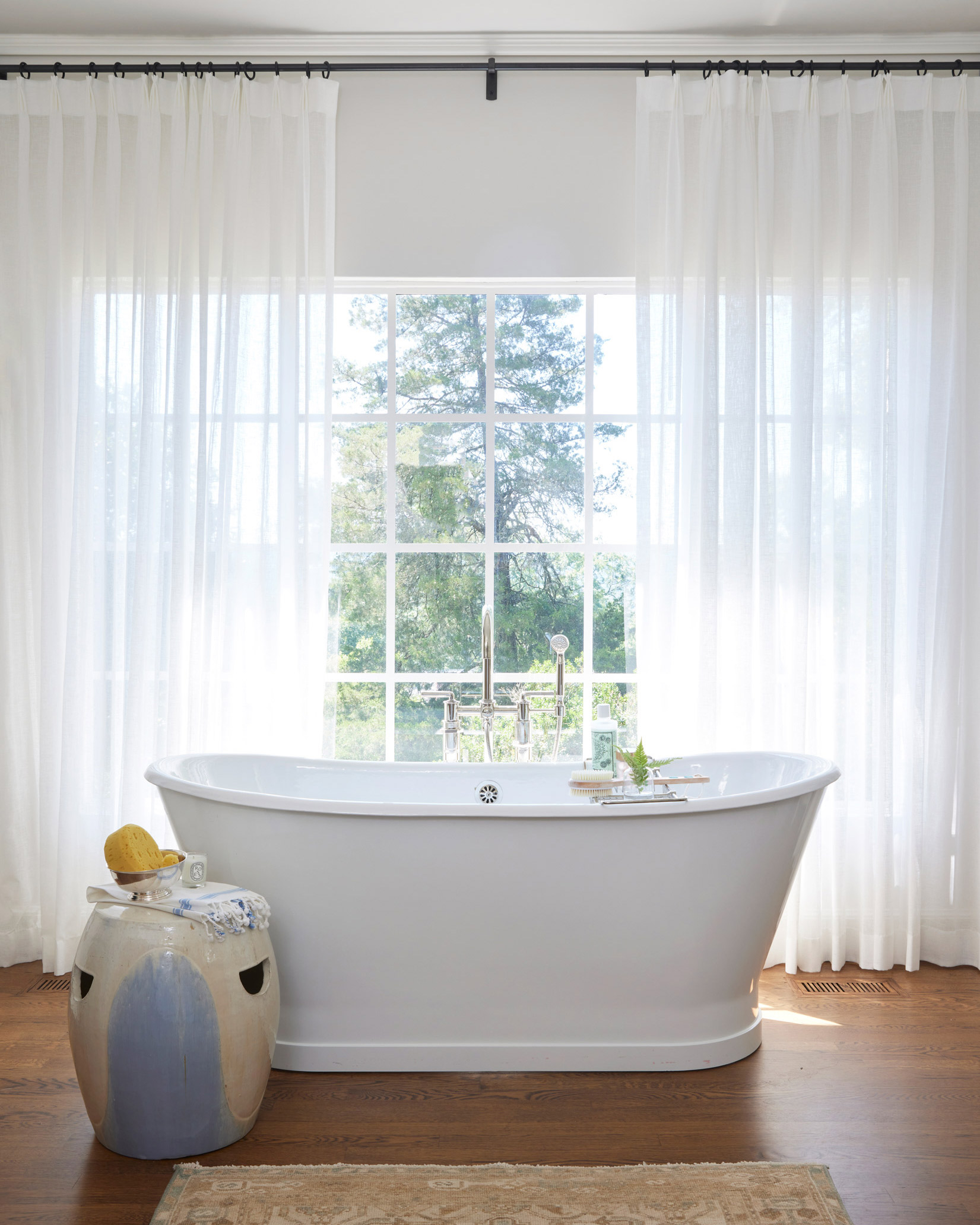
Sheer white curtains allow soft, diffused light to fill the room, highlighting the honey-toned hardwood floors. The lush greenery outside serves as the primary “wallpaper.” The addition of an antique rug and a ceramic garden stool provides an earthy, grounded feel.
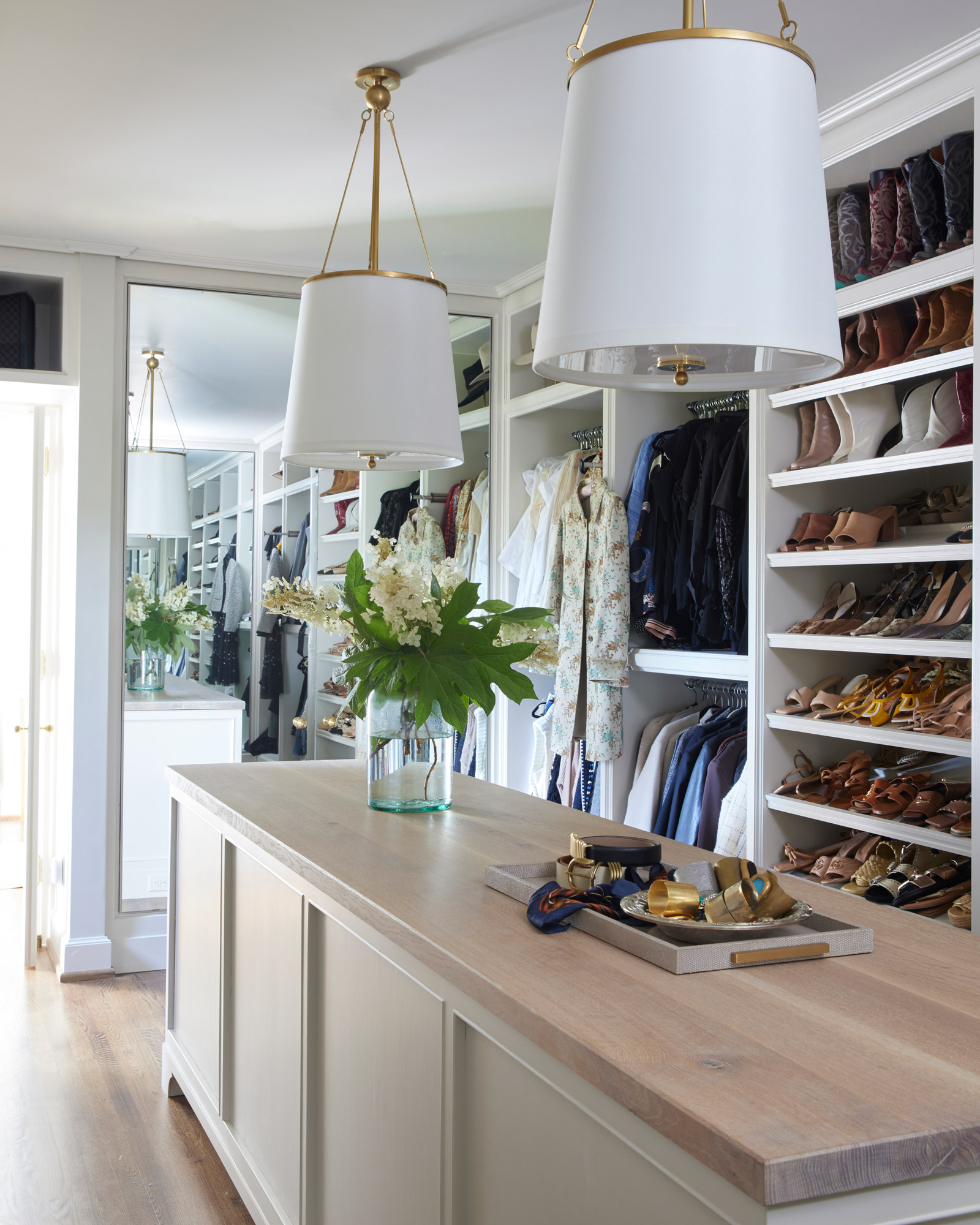
The designers created a well organized space for this fashion-minded homeowner and her husband. A center island topped in white oak separates her side from his.
Photo: Becky Stayner
Resources
Interior design: Sumner Starling and Anne Hurley, Starling Interiors Builder:Mimikakis Construction; Cabinets: Custom design by Paul Bates Architects, constructed by Alabama Woodworks; Cabinet color:White Dove, Benjamin Moore; Rug: Paige Albright Orientals; Lighting: Visual Comfort; Hardware: Brandino Brass; Shower tile, fixtures, bathtub: Fixtures & Finishes; Countertops: Alabama Stone Works
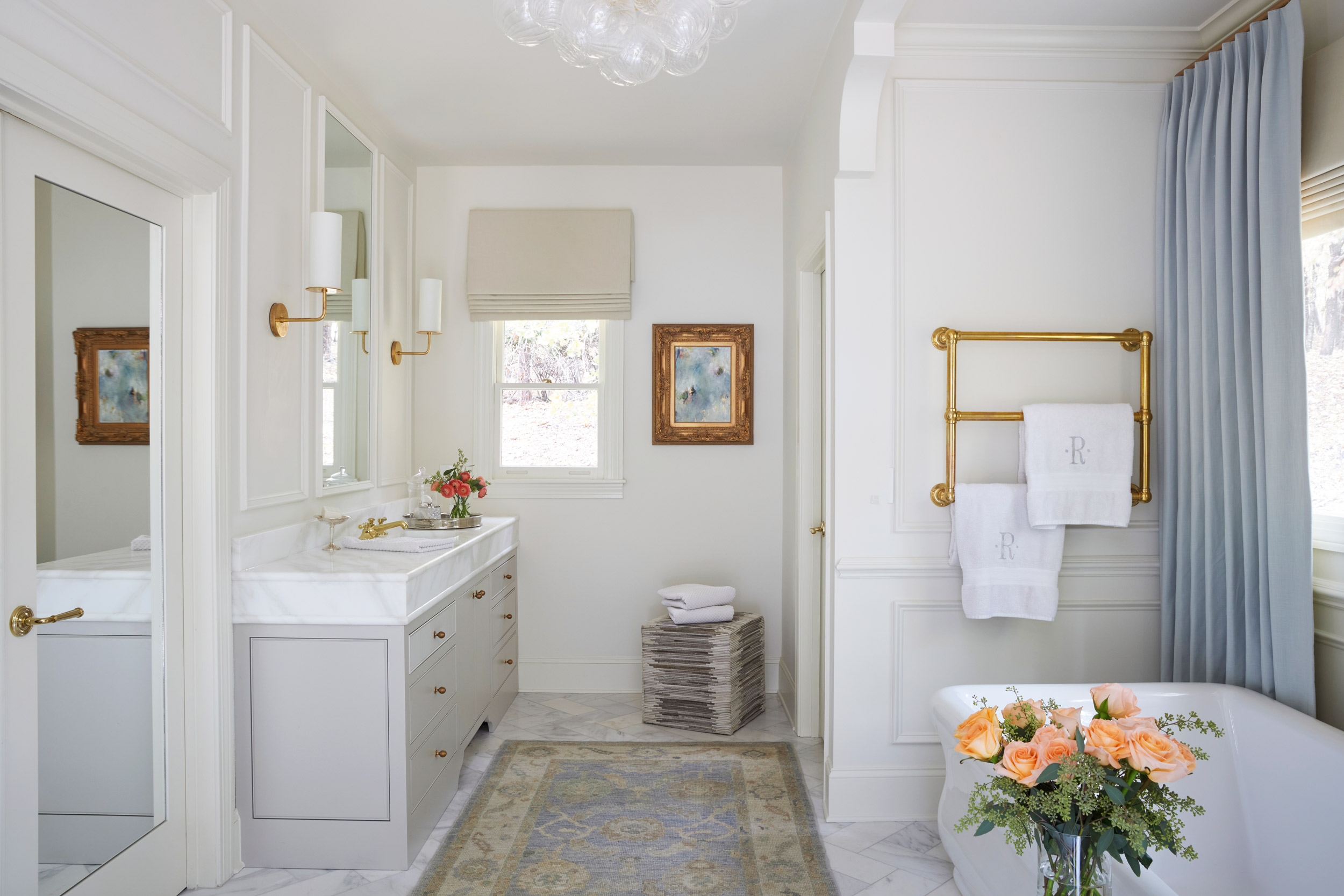
AFTER: Layered greys, rich textures, and thoughtful materials create a serene, modern sanctuary. In this study of quiet luxury, monochrome lets craftsmanship and architectural form take center stage. // Photography by Jean Allsopp
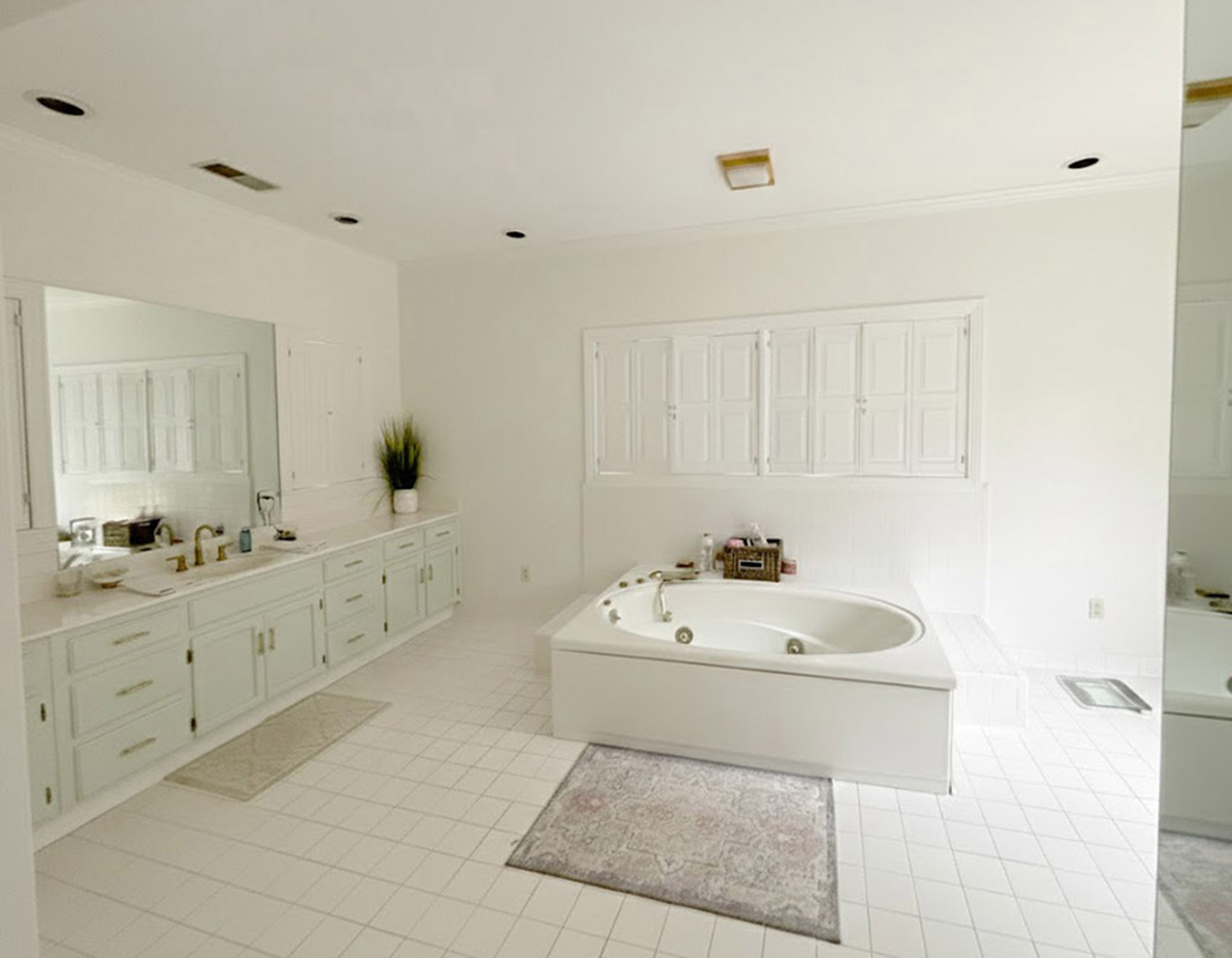
Privacy was a primary factor when designer Meredith Roberts of Grey Blake Interiors set about renovating her clients’ cavernous bathroom. “It was just one big open space with a tub and no shower,” says Meredith. “My goal was to organize the layout within the existing footprint, update fixtures and finishes, add a shower, and provide privacy and storage.”
BEFORE: The large room offered plenty of space for Meredith to add divider walls and reallocate cabinets, plumbing, and fixtures yielding a symmetrical design.
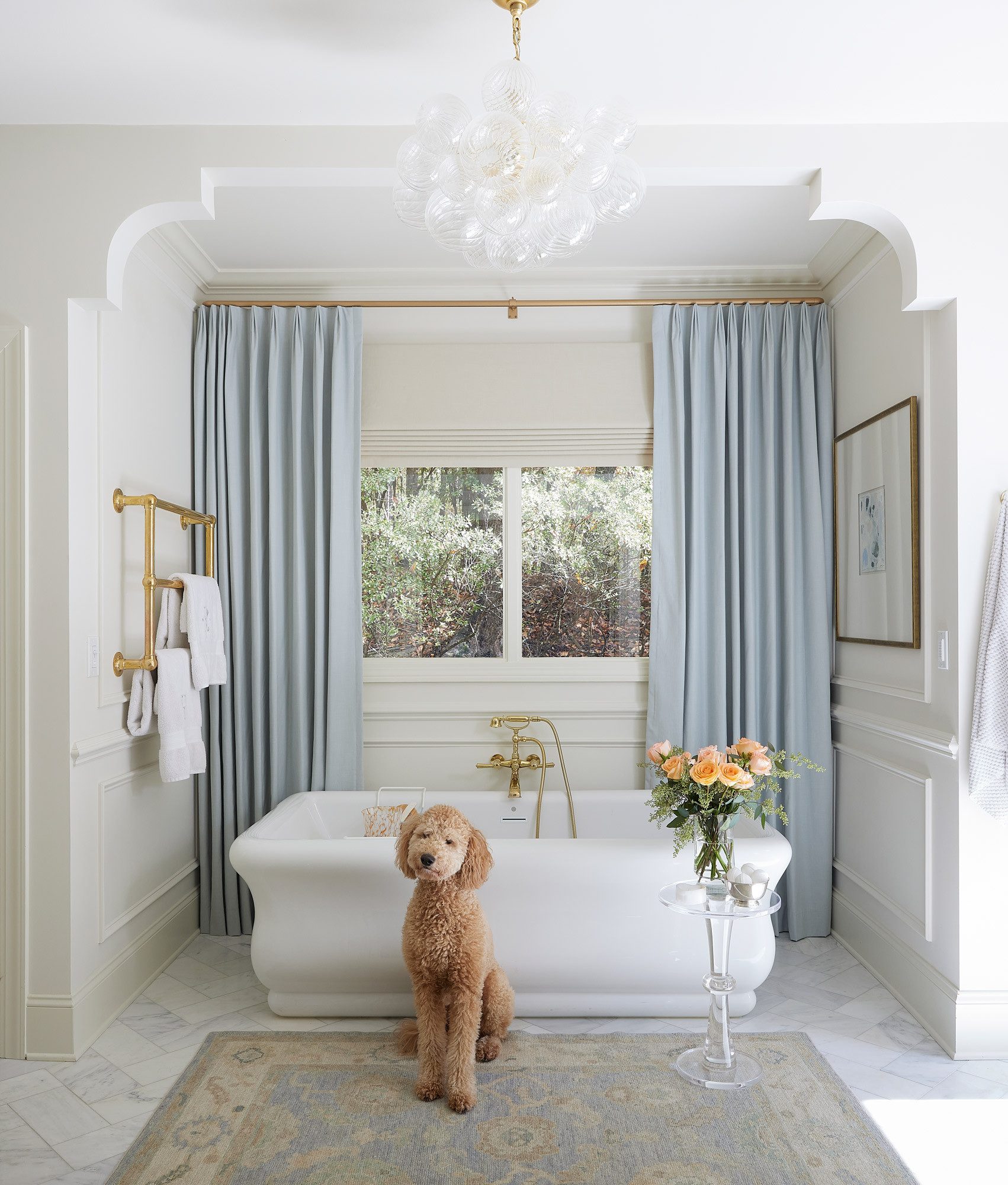
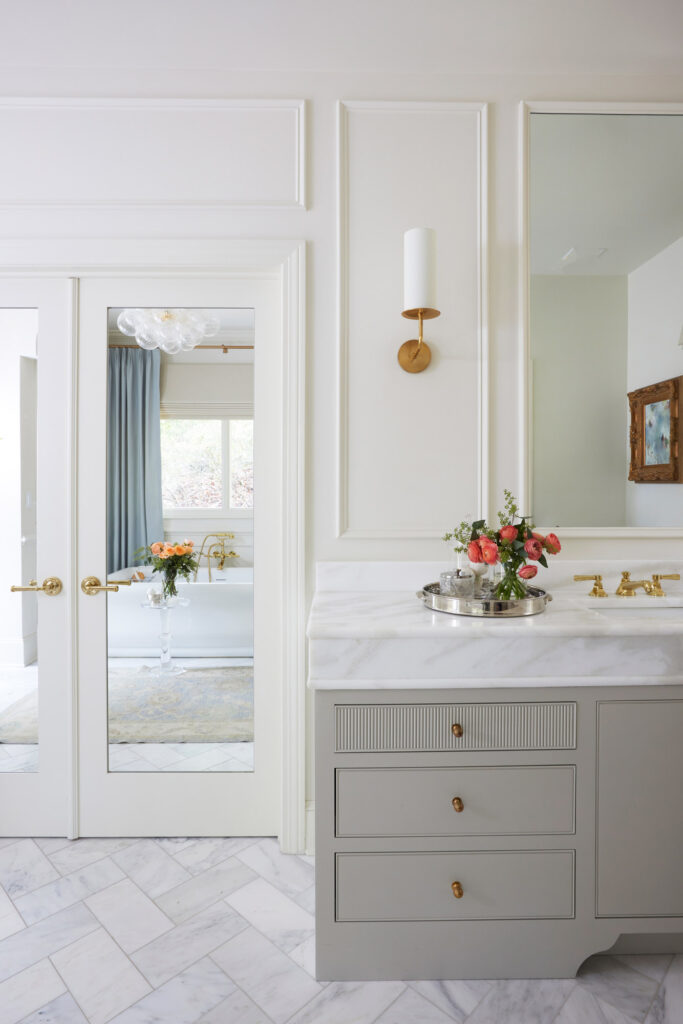
Now, a soaking tub resides directly across from the opening that accesses the bedroom, his-and-her vanities desinged by Meredith are separated by the same double doors, a shower tucks off to the right of the tub, and a private water closet is concealed on the left.
A cased opening brings distinctive curves which highlight the tub’s niche. The chandelier was chosen for its sculptural, airy feel.
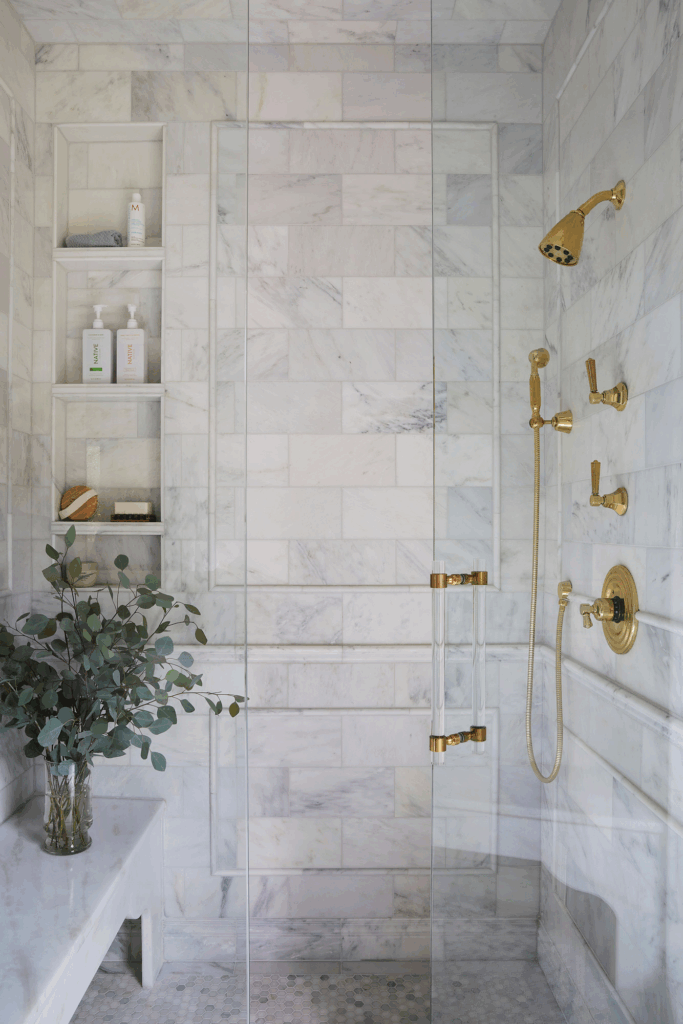
Elegant finishes and architectural details highlight the new arrangement. Thick slabs of white marble top new vanities; Marble tile laid in a herringbone pattern gives distinction to the floor, and the curved wall framing the tub is a soft counter to the linear room. Fixtures in the shower are polished brass—chosen for their enduring shine—something this renovated space does well.
Doors to the bedroom are inset with mirrors to visually expand the already roomy bath and reflect the natural light from the window.
The new shower features detailed marble trim to reflect the mouldings on the walls. Built-in shelves provide ample room for products.
Designer Meredith Roberts believes that a bathroom should feel like a retreat. Here are her favorite ways to elevate the everyday bath:
Soak in serenity. Mr. Teal’s Epsom salts transform a simple bath into a rejuvenating ritual. Pair with a dimly lit space via a dimmer switch to set the mood, letting relaxation take center stage.
Engage the senses.Sweet Grace-scented candles bring a gentle aroma that enhances the spa-like experience, while tactile elements like soft towels and natural textures invite calm.
Elevate the shower. Beyond a standard wall-mounted shower head, an additional overhead rain shower adds luxury. For fitness enthusiasts, a steam shower provides an indulgent recovery space—if the budget allows, it’s a game-changer.
Design with intention. Small upgrades like a dimmer switch or dual shower heads show how thoughtful details can turn functional spaces into personal sanctuaries.
Resources
INTERIORS:Gray Blake InteriorsFABRICATOR: Cottage Supply Downtown BATHROOM: Plumbing fixtures: Polished Brass from Fixtures and Finishes, Tub: Fixtures and Finishes, Heated towel rack: Waterworks via Fixtures and Finishes, Cabinet hardware: Brandino Brass reeded knobs in unlacquered brass, Rug: Eighteenth Street Orientals, Lighting: Visual Comfort, Tile and countertops: Triton Stone Group, Art and Lucite table: Argent Antiques, Drapery: Custom motorized shades by Gray Blake Interiors workroom.
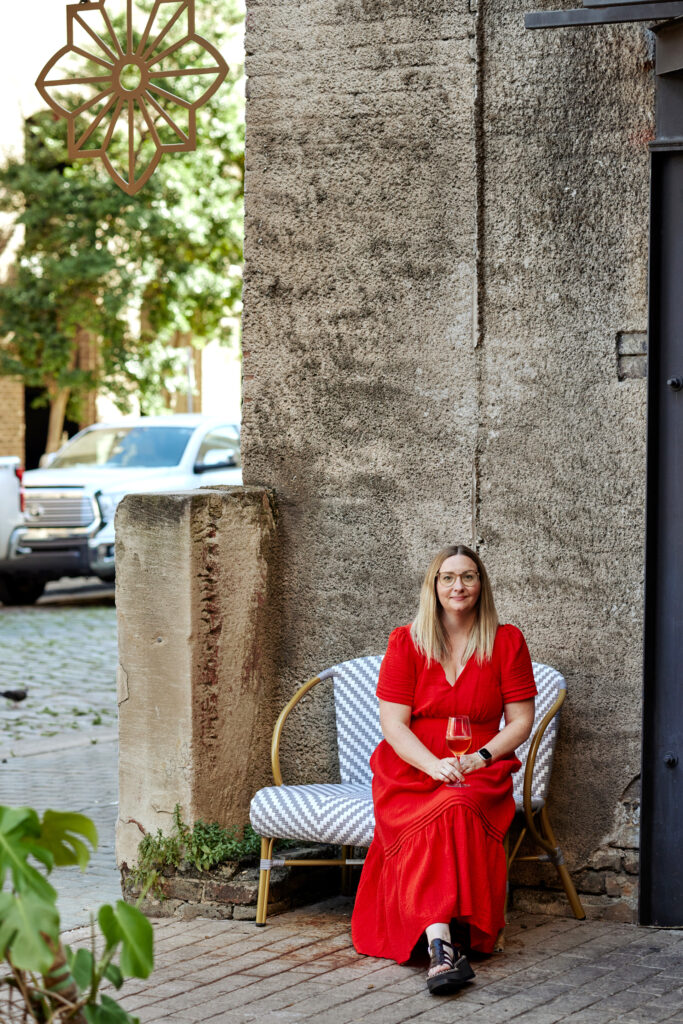
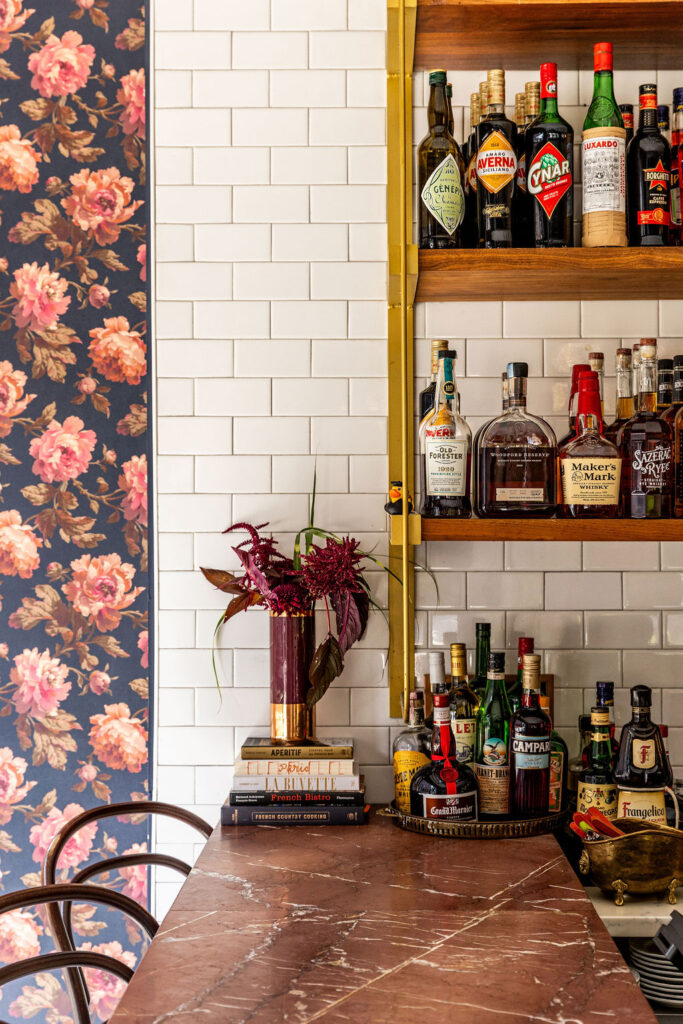
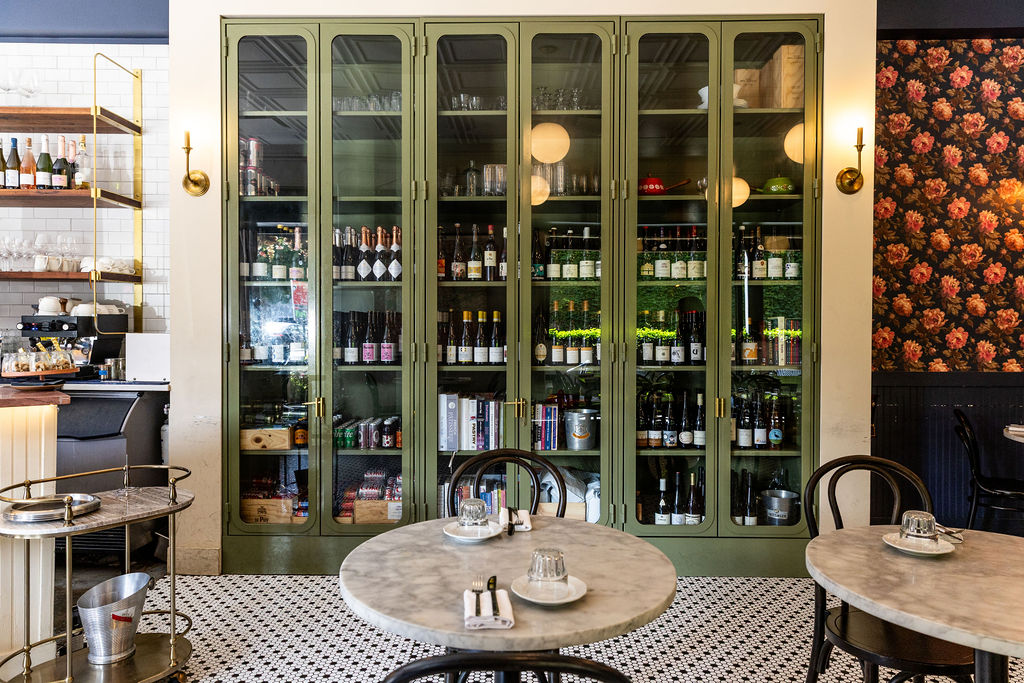
“When I began designing La Fête, my goal was to bring the feeling of Paris—and all of France—to our corner of Birmingham,” Hall says. “I design by intuition, thinking about how guests interact with the wallpaper, pink marble, floral dishes, glassware, and menu. It all comes together to create a memorable, sensory experience.”
Kristen Hall, Chef/Owner, La Fête // Photography by Caleb Chancey
From the Parisian apartment–style interiors to the meticulous patisserie counter, La Fête embodies Hall’s love for detail. “Paris is about the little things—the sunlight on building curves, mismatched silver in wine bars, spaces that live new lives over and over—it’s endlessly inspiring.”
Hall brings the same spirit she uses to transform spaces into her approach to food and dining. Each of her favorite Paris cafés and restaurants embodies that same balance of history, energy, and joy.
A chalkboard menu of dishes rotates daily, reflecting Chef Loïc Lobet’s commitment to local, seasonal ingredients. The kitchen favors a traditional short menu, yet highlights like perfectly cooked steak and rich chocolate mousse make the visit unforgettable. The wine list, in contrast, is extensive and meticulously curated, guided by a sommelier to help you find the perfect pairing.
Weekday lunch reservations are a must, and tables often book weeks in advance at Mokonuts, which is only open for lunch service and private evening dinners. The café is helmed by the internationally trained and acclaimed duo Omar Koreitem and Moko Hirayama. Koreitem oversees the savory menu, bringing flavors from his Lebanese heritage, while Hirayama’s pastries elevate the petite space. Expect beloved cookie classics with surprising Japanese ingredients, adding a fresh twist to familiar flavors.
Mamiche is a beloved neighborhood bakery in Paris with two locations. They serve a rotating selection of breads, buttery croissants, soft brioche, cream-filled chou pastries, seasonal treats, and classic French sandwiches. Their pastries are rich, buttery, and melt-in-your-mouth, changing with the season, so be sure to try the specialties of the moment. For the full Parisian experience, enjoy your pastries at a nearby park, such as Square du Temple.
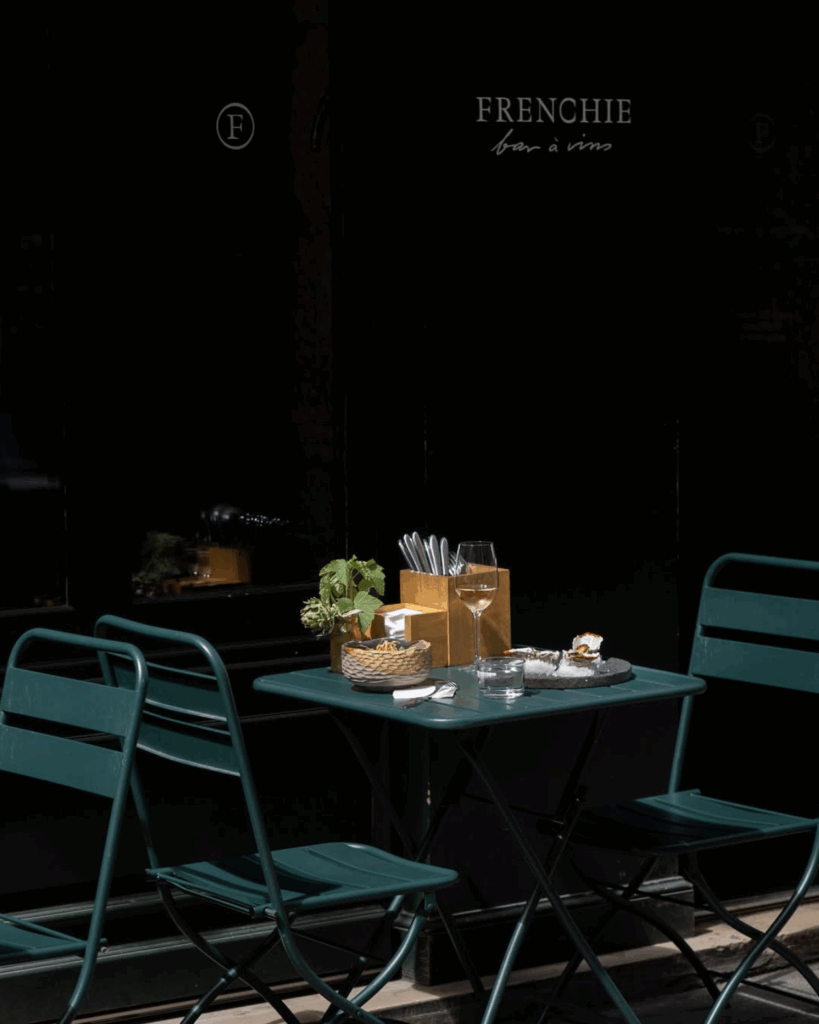
Frenchie Wine Bar sits across from chef Grégory Marchand’s 1‑Michelin‑starred restaurant, Frenchie, on Rue du Nil. Unlike the main restaurant, the wine bar is walk-in only, cozy, and relaxed, with small plates, excellent wine, and a lively neighborhood vibe. The space is intimate and often busy, making it perfect for sharing plates and soaking in the energy.
Dreamin’ Man is a tiny specialty coffee shop in Paris’s 11th arrondissement with a minimalist, cozy vibe. They serve expertly brewed coffee, including pour-overs, espresso, and seasonal drinks, alongside pastries like scones, fruit tarts, and Japanese-inspired treats. It’s perfect for a solo coffee boost or casual catch-ups.
6. Chez Aline
A street‑food favorite on Rue de la Roquette, known for top‑notch French sandwiches. The daily rotating menu features classics like jambon‑beurre, plus creative seasonal fillings on fresh baguettes. Casual and affordable, most sandwiches are made to order for takeaway, with a few counter spots if you want to linger.
Run by Argentine chef Raquel Carena, Le Baratin serves personal, seasonal French cuisine that can be delicate or hearty. A daily chalkboard menu reflects market-fresh ingredients at restrained prices. Reservations are strongly recommended since the intimate space fills up quickly.
A cult wine bar and grocery in Paris’s 11th arrondissement, owned by Camille Fourmont. This rustic “cave à manger” pairs natural wines with simple, high-quality bites like charcuterie, cheeses, burrata, and oysters. Relaxed and friendly with a young local crowd; seating is limited, so cozy up at the bar. Open evenings Wed–Fri (5–10 PM), closed Sun–Mon; ideal for groups of four or fewer to sip and savor neighborhood vibes.
Early June is a small wine bar and restaurant near Canal Saint‑Martin, known for its warm, community-focused vibe. Founded in 2018 by Victor Vautier and Camille Machet, it hosts rotating guest chefs from around the world, offering a constantly evolving menu of creative, globally inspired dishes. The focus is on great food, natural wine, and enjoying the experience with friends in a relaxed, lively setting. Its name comes from the month the founders signed the lease, evoking the long, light-filled days of early summer.
Septime La Cave is the casual wine bar and shop from the team behind the Michelin-starred Septime. It focuses on natural, biodynamic, and small-producer wines, with rotating options by the glass or bottle, and knowledgeable staff to guide your choices. The bar also offers small plates like charcuterie, toasted bread, and simple seasonal bites that pair perfectly with the wine. First-come, first-served. Perfect for a relaxed aperitif or casual wine stop with friends.
Paris’s cafés, bistros, and patisseries offer more than just a taste; they are a full-on experience, the kind that inspires Kristen Hall’s approach at La Fête. Whether you’re after expertly crafted pastries, thoughtfully curated wine, or vibrant neighborhood dining, these spots capture the history, energy, and joy Hall loves about Paris. Follow her footsteps through the City of Light and discover the cafés, restaurants, and hidden gems that shaped her vision of French hospitality. Bisous!
A beautifully designed home is never accidental. It’s the result of thoughtful planning, expert guidance, and an understanding that true luxury is about how a space lives—not just how it looks.
For decades, Birmingham Wholesale Furniture has helped homeowners and business owners across the Southeast create enduring interiors that are both polished and personal. The company’s distinction lies in a rare offering: complimentary professional interior design services seamlessly woven into the shopping experience.
Expert Interior Design Services Included
Birmingham Wholesale Furniture is home to a team of formally trained interior designers who collaborate closely with each client to shape spaces with intention. Whether refining a single room, furnishing an entire residence, or designing a commercial environment, every decision is considered—from scale and proportion to finishes, fabrics, and final placement.
The experience mirrors that of a full-service design firm, without the traditional design fees, allowing clients to focus fully on the result.
A Thoughtful, Client-Centered Approach
Every project begins by listening to clients. The designers want to know: How do you live? How do you entertain? What do you want your house to feel like? Once these questions are answered, the design team balances aesthetics with livability ensuring each space is as functional as it is visually compelling.
Design services include:
Space planning and architectural scale layouts.
Curated furniture and finish selections.
Access to custom upholstery options and an extensive library of fabrics.
Made-to-order pieces and tailored finishes.
Residential and commercial expertise at every scale.
From refined residences to expansive estates, each project is approached with the same philosophy: Birmingham Wholesale promises a personal, polished, and deeply considered design.
In-Home Design, Perfected
While our in-store expert design services are always included, in-home consultations are available for discerning clients seeking a concierge-level approach. This paid service allows the company’s designers to evaluate lighting, scale, and architectural details firsthand to determine furniture placement, proportion, and layout decisions that are best finalized within the space itself. The consultation fee is credited toward furniture purchases.
The design leadership behind Birmingham Wholesale Furniture is guided by sales and design manager Tony Thompson, a respected voice in the design industry.
Tony’s work has been featured in Southern Living and Architectural Digest and highlighted by leading brands including Lexington Home Brands, Delta Faucets, and Signature Kitchen Suites. A past president of ASID Alabama and former Board Member of ASID Tennessee, Tony’s projects span from the Midwest to New York City and across the Southeast. That depth of experience is felt in every space the team creates—interiors defined by confidence, craftmanship, and quiet luxury.